Decoding the Metal Skin: A Comprehensive Guide to Truck Body Parts Names
Trucks, the workhorses of our roads, are complex machines built for hauling, towing, and enduring demanding conditions. Understanding the anatomy of a truck, specifically its body parts, is crucial for maintenance, repair, and even just appreciating the sheer engineering that goes into these vehicles. This guide delves into the common and less common truck body parts, providing names, functions, and insights into their importance.
The Foundation: The Cab and Chassis
Decoding the Metal Skin: A Comprehensive Guide to Truck Body Parts Names
Before we delve into specific panels and components, it's important to understand the fundamental structure. The truck body essentially sits on a chassis, the frame that provides the structural backbone. The cab, housing the driver and passengers, is the most prominent feature and the starting point for many body part discussions.
1. The Cab: The Command Center
The cab is far more than just a space for the driver; it's a complex assembly of components designed for safety, comfort, and functionality.
-
Cab Shell: This is the primary structural element of the cab, usually made of steel or aluminum. It provides the overall shape and protects the occupants.
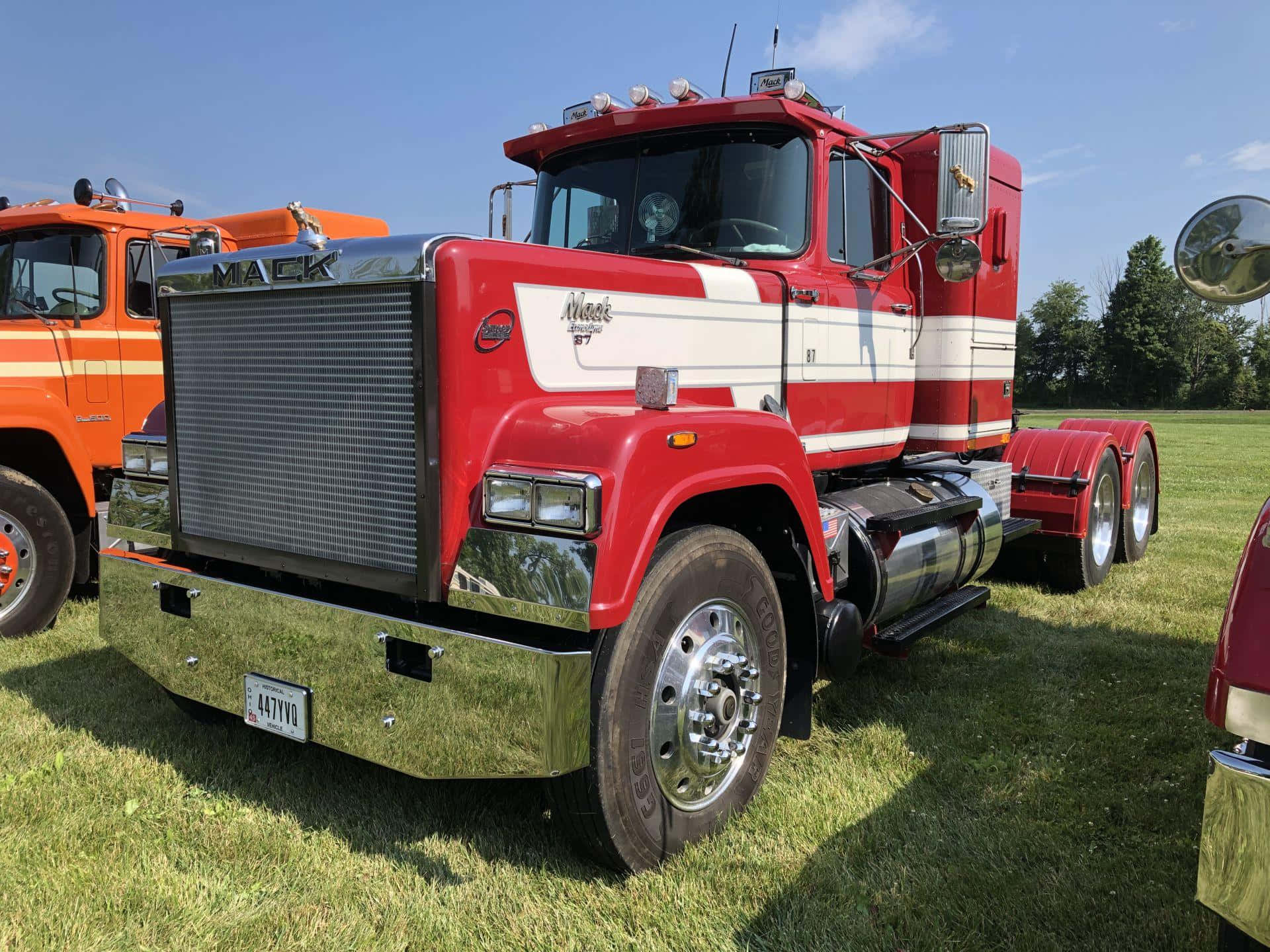
Doors: Provide access to the cab. Key components of the door include:
- Door Panel: The interior trim covering the door.
- Door Shell: The exterior metal skin of the door.
- Door Handle (Exterior & Interior): Used to open the door.
- Door Lock Mechanism: Secures the door.
- Door Hinges: Allow the door to swing open and closed.
- Door Window Regulator: Controls the raising and lowering of the window.
- Door Weatherstripping: Seals the door to prevent water and wind intrusion.
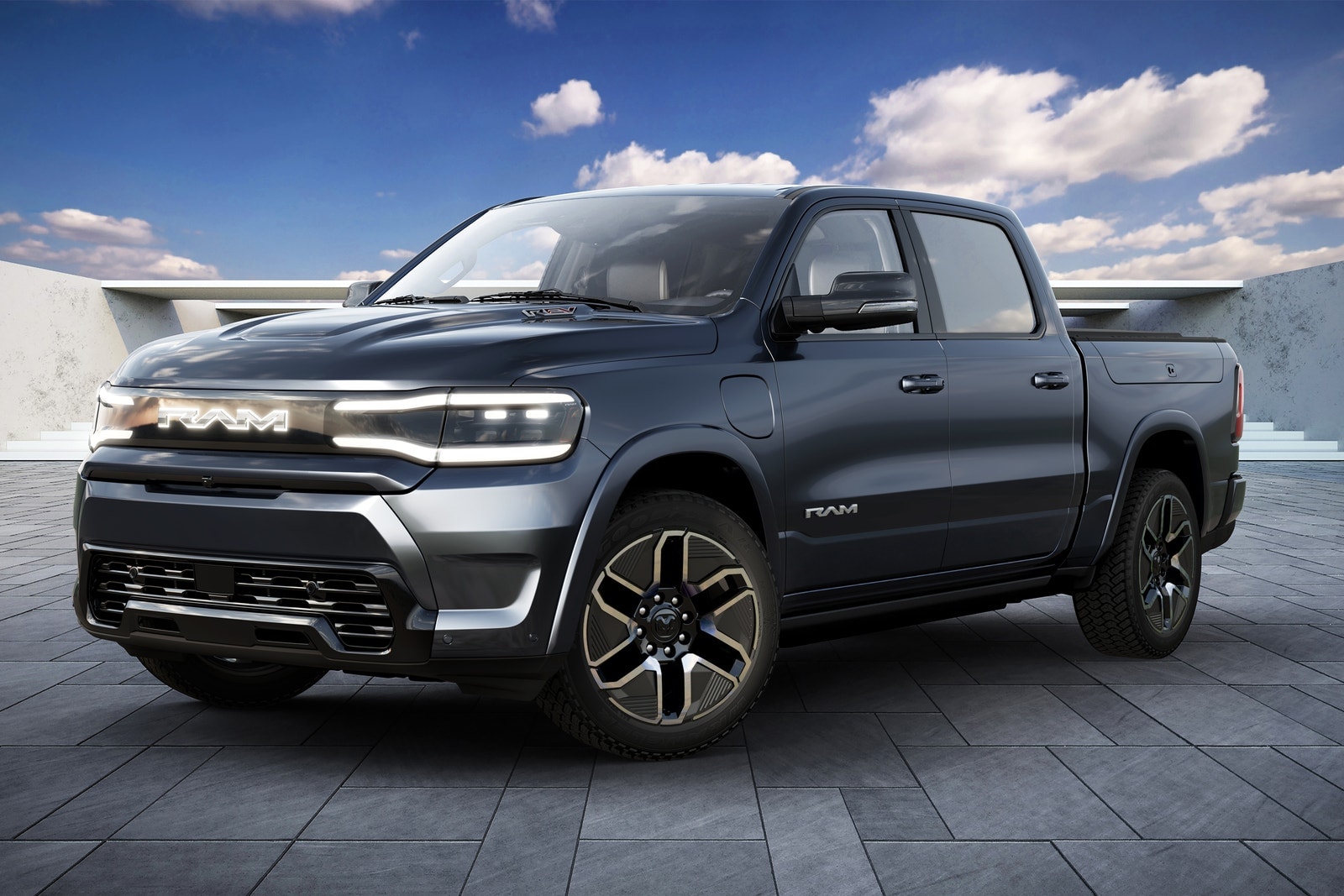

-
Hood: Covers the engine compartment. Its purpose is to protect the engine and provide access for maintenance.
- Hood Latch: Secures the hood in the closed position.
- Hood Hinges: Allow the hood to pivot open.
-
Windshield: Provides visibility and protection from the elements.
-
Rear Window (Cab Back Panel): Offers rearward visibility. Some trucks have a sliding rear window for ventilation.
-
Roof: The top of the cab, often designed for aerodynamics and sometimes incorporating features like sunroofs or marker lights.
-
Fenders (Front): Protect the wheels and tires and prevent debris from being thrown onto the cab.
-
Cab Corners: The lower rear corners of the cab, often vulnerable to rust and damage.
-
Cab Mounts: Cushions that isolate the cab from vibrations from the chassis.
2. The Bed (Pickup Trucks): The Hauling Hero
For pickup trucks, the bed is the defining characteristic and the primary cargo-carrying area.
-
Bed Sides (Outer Panels): The vertical walls of the bed.
-
Bed Floor: The bottom surface of the bed, designed to support cargo.
-
Bed Rails: The top edges of the bed sides, often covered with protective caps.
-
Tailgate: The hinged panel at the rear of the bed that can be opened for loading and unloading.
- Tailgate Handle: Used to open the tailgate.
- Tailgate Hinge: Allows the tailgate to pivot open.
- Tailgate Cables/Supports: Support the tailgate when it's open.
-
Wheel Wells: The arched sections of the bed floor that accommodate the rear wheels.
-
Bed Liner: A protective layer, often plastic or spray-on, designed to prevent damage to the bed floor and sides.
-
Stake Pockets: Openings along the bed rails used to secure side rails or cargo racks.
-
Header Panel (Front Bed Panel): The panel at the front of the bed, separating it from the cab.
3. The Bumper: First Line of Defense
Bumpers are designed to absorb impact and protect the vehicle in low-speed collisions. They are located at the front and rear of the truck.
-
Front Bumper: Protects the front of the truck and often incorporates features like fog lights or tow hooks.
-
Rear Bumper: Protects the rear of the truck and often includes a step for accessing the bed.
-
Bumper Brackets: Mount the bumper to the chassis.
-
Bumper End Caps: Cover the ends of the bumper for a cleaner look and added protection.
4. Exterior Trim and Accents: Adding Style and Functionality
These parts add to the truck's aesthetics and can also serve functional purposes.
-
Grille: Located at the front of the truck, it allows airflow to the radiator and engine. It's often a defining styling element.
-
Headlight Bezels: Surround the headlights and add to the truck's appearance.
-
Taillight Bezels: Surround the taillights and enhance their visibility.
-
Side Mirrors: Provide rearward visibility.
- Mirror Housing: The outer casing of the mirror.
- Mirror Glass: The reflective surface of the mirror.
-
Door Handles (Exterior): Used to open the doors from the outside.
-
Running Boards/Nerf Bars: Steps that make it easier to enter and exit the truck, especially for lifted trucks.
-
Fender Flares: Extend the fenders to accommodate larger tires and protect the body from debris.
-
Mud Flaps/Splash Guards: Prevent mud and debris from being thrown onto other vehicles.
-
Bug Deflector: A plastic shield mounted on the front of the hood to deflect bugs and debris.
-
Window Visors/Rain Guards: Allow you to crack the windows open in light rain without water entering the cab.
5. Specialized Truck Bodies: Beyond the Pickup
Commercial trucks often have specialized bodies tailored to specific tasks. Understanding these bodies requires knowing the specific terminology associated with them.
-
Flatbed: A flat, open platform for carrying cargo.
-
Box Truck: A fully enclosed cargo area, often used for deliveries.
-
Dump Truck: A truck with a bed that can be tilted to dump its contents.
- Dump Bed: The tilting cargo area of a dump truck.
- Hydraulic Cylinder: Used to raise and lower the dump bed.
-
Tanker Truck: A truck designed to carry liquids or gases in a tank.
-
Refrigerated Truck (Reefer): A truck with a refrigerated cargo area for transporting perishable goods.
-
Wrecker/Tow Truck: A truck equipped with a tow boom and winch for towing disabled vehicles.
6. The Undercarriage: Hidden but Essential
While not strictly "body parts," components under the truck contribute significantly to its functionality and often require protection.
-
Skid Plates: Protect the engine, transmission, and transfer case from damage when driving off-road.
-
Rock Sliders: Protect the rocker panels from damage when off-roading.
Understanding the Importance of Truck Body Part Names
Knowing the names of truck body parts is crucial for several reasons:
- Communication: It allows you to communicate effectively with mechanics, parts suppliers, and other truck enthusiasts.
- Maintenance and Repair: It helps you identify damaged parts and order the correct replacements.
- Customization: It allows you to personalize your truck with aftermarket accessories.
- Insurance Claims: It ensures accurate descriptions of damage for insurance purposes.
Conclusion
The anatomy of a truck is a complex and fascinating subject. By understanding the names and functions of the various truck body parts, you can gain a deeper appreciation for the engineering and design that goes into these vital vehicles. Whether you're a truck owner, a mechanic, or simply curious about how things work, this guide provides a solid foundation for understanding the metal skin that protects and empowers these road-going behemoths. From the robust cab shell to the versatile bed and the protective bumpers, each component plays a crucial role in the overall performance and longevity of the truck. So, the next time you see a truck on the road, take a moment to appreciate the intricate network of parts working together to get the job done.

