Fiberglass Truck Body Kits: A Comprehensive Guide to Customizing Your Ride
Fiberglass truck body kits offer a powerful way to transform the look and functionality of your pickup. Whether you're aiming for a rugged off-road beast, a sleek street machine, or a practical workhorse, these kits provide a cost-effective and relatively straightforward path to achieving your vision. This comprehensive guide will delve into the world of fiberglass truck body kits, covering everything from the basics to installation tips and potential challenges.
Introduction: Unleash Your Truck's Potential with Fiberglass
Fiberglass Truck Body Kits: A Comprehensive Guide to Customizing Your Ride
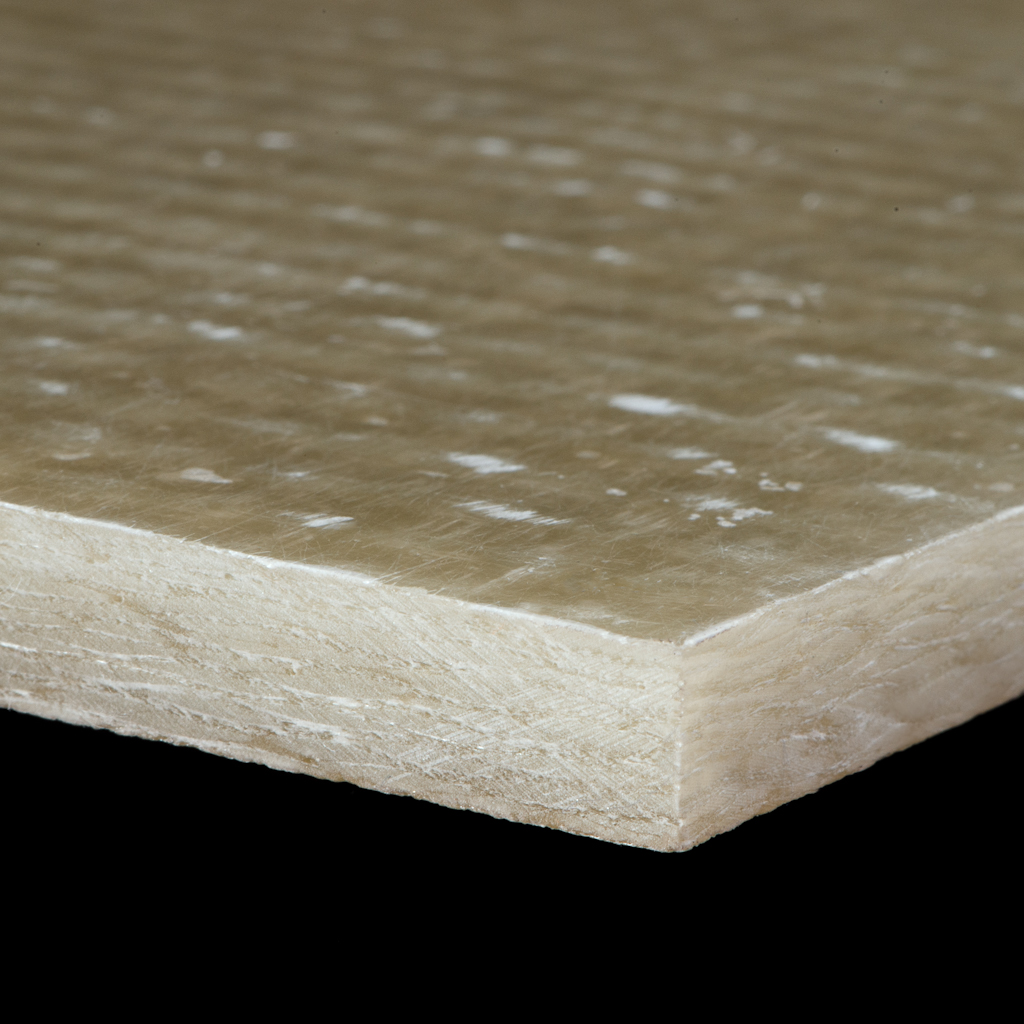
Fiberglass truck body kits are sets of aftermarket body panels designed to replace or augment the original parts of your truck. Typically made from fiberglass reinforced plastic (FRP), these kits can include fenders, hoods, bedsides, bumpers, spoilers, and even complete cab replacements in some cases. They offer a range of aesthetic and functional benefits, allowing owners to personalize their vehicles and tailor them to specific needs. The popularity of fiberglass kits stems from their relatively low cost compared to custom metal fabrication, their lighter weight than steel components (improving performance and fuel efficiency), and their ability to be molded into complex and eye-catching designs. For the truck enthusiast looking to stand out from the crowd or enhance their truck's utility, fiberglass body kits are a compelling option.
I. Why Choose Fiberglass? The Benefits Explained
Before diving into the specifics, let's explore the advantages that make fiberglass a popular choice for truck body modifications:
- Cost-Effectiveness: Fiberglass kits are significantly cheaper than custom-fabricated metal panels. This makes them an accessible option for budget-conscious enthusiasts.
- Lightweight: Fiberglass is considerably lighter than steel. This reduced weight can improve your truck's acceleration, braking, and fuel economy. It also reduces the overall stress on the vehicle's suspension.
- Design Flexibility: Fiberglass can be molded into intricate and complex shapes, allowing for a wider range of design possibilities compared to traditional metal fabrication. This means you can achieve a unique and personalized look for your truck.
- Corrosion Resistance: Unlike steel, fiberglass is resistant to rust and corrosion, making it ideal for vehicles that are exposed to harsh weather conditions.
- Repairability: Fiberglass is relatively easy to repair, especially compared to damaged metal panels. Minor cracks and chips can be fixed with readily available fiberglass repair kits.
II. Types of Fiberglass Truck Body Kits: Finding the Right Fit
The market offers a diverse range of fiberglass truck body kits, each designed for specific purposes and aesthetic preferences. Here's a breakdown of the most common types:
- Wide Body Kits: These kits typically include wider fenders and bedsides, creating a more aggressive and muscular stance. They often require larger wheels and tires to fill the increased wheel well space.
- Fender Flare Kits: A more subtle modification, fender flares add extra coverage to the wheel wells, protecting the body from road debris and providing a slightly wider stance. They're often used in conjunction with larger tires.
- Hood Kits: Fiberglass hoods can offer improved ventilation, a more aggressive look (with scoops and vents), or reduced weight compared to the stock hood.
- Bumper Kits: Fiberglass bumpers can enhance the appearance of your truck while also providing increased protection. They're available in a variety of styles, from sleek and aerodynamic to rugged and off-road oriented.
- Roll Pans: Replacing the rear bumper with a smooth, contoured roll pan creates a streamlined and custom look.
- Complete Cab Replacements: These are the most extensive and challenging kits, replacing the entire truck cab with a fiberglass version. They're often used in custom builds or restoration projects.
- Bed Replacements: Replace your stock bed with a custom fiberglass bed.
- Spoilers and Wings: Add to the look of your truck by adding spoilers or wings to enhance the exterior.

III. Installation: A Step-by-Step Guide (General Overview)
Installing a fiberglass truck body kit can be a rewarding but challenging project. While professional installation is always recommended, here's a general overview of the process:
- Preparation:
- Read the Instructions: Carefully review the instructions provided by the kit manufacturer.
- Gather Tools and Materials: You'll need tools like wrenches, sockets, screwdrivers, a drill, a grinder, sanding blocks, body filler, primer, paint, and safety gear.
- Protect Your Work Area: Cover the surrounding areas of your truck to prevent damage during the installation process.
- Removal of Existing Parts:
- Carefully remove the existing body panels that will be replaced by the fiberglass kit.
- Take your time and avoid damaging any underlying components.
- Label and organize the removed parts for potential reinstallation later.
- Test Fitting:
- Before any permanent modifications, test fit the fiberglass panels to ensure proper alignment and fitment.
- Identify any areas that need trimming or adjustment.
- Trimming and Modification:
- Use a grinder or rotary tool to trim any excess material from the fiberglass panels.
- Take your time and make small adjustments to achieve a perfect fit.
- Surface Preparation:
- Sand the fiberglass panels to create a smooth and uniform surface.
- Apply body filler to fill any imperfections or gaps.
- Sand the body filler smooth and prime the panels.
- Painting:
- Apply several coats of primer to the panels, sanding between each coat.
- Paint the panels with the desired color, following the paint manufacturer's instructions.
- Apply a clear coat for added protection and shine.
- Installation:
- Carefully install the fiberglass panels onto your truck, using the appropriate hardware.
- Ensure that all panels are securely fastened and properly aligned.
- Final Adjustments:
- Make any final adjustments to ensure that the body kit fits perfectly.
- Clean and polish the panels to achieve a professional finish.
IV. Important Considerations Before You Buy
Before investing in a fiberglass truck body kit, consider these important factors:
- Fitment: Ensure the kit is specifically designed for your truck's year, make, and model. Generic kits often require extensive modifications.
- Quality: Opt for kits from reputable manufacturers known for using high-quality materials and construction techniques. Read online reviews and seek recommendations from other truck enthusiasts.
- Skill Level: Assess your own mechanical skills and experience. Complex kits may require professional installation.
- Budget: Factor in the cost of the kit, installation (if applicable), paint, and any necessary hardware or modifications.
- Purpose: Consider the intended use of your truck. A wide body kit may not be suitable for off-road use, while a rugged bumper kit may be ideal for protection.
- Local Regulations: Be aware of any local regulations regarding vehicle modifications. Some modifications may not be street legal.
V. Common Challenges and Solutions
While fiberglass kits offer many benefits, they can also present certain challenges:
- Poor Fitment: Solution: Thoroughly test fit the panels before any permanent modifications. Be prepared to trim, sand, and adjust the panels as needed.
- Surface Imperfections: Solution: Use body filler to fill any imperfections and sand the surface smooth before painting.
- Cracking: Solution: Avoid overtightening fasteners. Use flexible adhesives and sealants to prevent stress cracks.
- Color Matching: Solution: Work with a reputable paint shop to ensure a perfect color match.
- Installation Complexity: Solution: If you lack the necessary skills or experience, hire a professional installer.
VI. Tips for a Successful Fiberglass Body Kit Installation
- Patience is Key: Take your time and don't rush the installation process.
- Dry Fit Everything: Test fit all panels before any permanent modifications.
- Use Quality Materials: Invest in high-quality body filler, primer, and paint.
- Follow the Instructions: Carefully follow the instructions provided by the kit manufacturer.
- Seek Professional Help: Don't hesitate to seek professional help if you encounter any difficulties.
VII. Pricing Table
| Kit Type | Description | Price Range (USD) | Installation Cost (USD) | Total Price (USD) |
|---|---|---|---|---|
| Fender Flare Kit | Adds extra coverage to wheel wells | $200 - $500 | $100 - $300 | $300 - $800 |
| Hood Kit | Replaces the stock hood with a fiberglass version (scoops and vents) | $300 - $800 | $100 - $200 | $400 - $1000 |
| Bumper Kit | Replaces the stock bumper with a fiberglass version | $400 - $1200 | $200 - $500 | $600 - $1700 |
| Wide Body Kit | Wider fenders and bedsides, creating a more aggressive stance | $1500 - $5000 | $500 - $1500 | $2000 - $6500 |
| Complete Cab Replacement | Replaces the entire truck cab with a fiberglass version | $5000 - $15000 | $2000 - $5000 | $7000 - $20000 |
| Bed Replacements | Replace your stock bed with a custom fiberglass bed. | $1000 - $8000 | $500 - $1500 | $1500 - $9500 |
| Spoilers and Wings | Add to the look of your truck by adding spoilers or wings to enhance the exterior | $100 - $500 | $100 - $200 | $200 - $700 |
Note: Prices are estimates and can vary depending on the manufacturer, quality, and complexity of the kit. Installation costs can also vary depending on the shop and the complexity of the installation.
VIII. Frequently Asked Questions (FAQ)
- Q: Are fiberglass body kits street legal?
- A: It depends on local regulations. Some modifications may not be legal. Check with your local authorities before installing a kit.
- Q: How long does it take to install a fiberglass body kit?
- A: The installation time varies depending on the complexity of the kit and your skill level. A simple fender flare kit may take a few hours, while a complete cab replacement can take several days.
- Q: Can I paint a fiberglass body kit myself?
- A: Yes, but it requires proper preparation, equipment, and skill. Professional painting is recommended for the best results.
- Q: How do I repair a crack in a fiberglass body kit?
- A: Use a fiberglass repair kit to fill the crack and sand the surface smooth.
- Q: What is the lifespan of a fiberglass body kit?
- A: With proper care and maintenance, a fiberglass body kit can last for many years.
Conclusion: Transforming Your Truck, One Panel at a Time
Fiberglass truck body kits offer a versatile and cost-effective way to customize your vehicle and express your personal style. By understanding the benefits, types, installation process, and potential challenges, you can make an informed decision and achieve the truck of your dreams. Whether you're aiming for a subtle upgrade or a radical transformation, a fiberglass body kit can help you unlock your truck's full potential. Remember to prioritize quality, fitment, and professional installation for the best possible results. Happy customizing!

