Keeping the Legend Rolling: A Deep Dive into Grumman Van Parts and Restoration
The Grumman LLV (Long Life Vehicle), affectionately known as the "Mail Truck," is a ubiquitous sight on American streets. Its boxy silhouette, distinctive right-hand drive, and the familiar rumble of its engine are ingrained in the nation's collective memory. While primarily associated with the United States Postal Service (USPS), the Grumman LLV, along with its civilian siblings like the Olson Grumman Kurbside, boasts a rich history and a surprisingly dedicated community passionate about keeping these iconic vehicles on the road.
This dedication hinges on the availability of Grumman van parts. Whether you're a postal service mechanic maintaining a fleet, a small business owner relying on a Kurbside for deliveries, or a passionate hobbyist restoring a piece of American history, finding the right parts is crucial. This article will delve into the world of Grumman van parts, exploring the challenges, resources, and essential considerations for maintaining and restoring these enduring vehicles.
Keeping the Legend Rolling: A Deep Dive into Grumman Van Parts and Restoration
A Brief History: From Aerospace to Delivery
Grumman, originally an aerospace engineering company renowned for its contributions to aviation, particularly during World War II, ventured into the automotive sector in the 1970s. The USPS, facing an aging fleet of delivery vehicles, sought a durable, efficient, and purpose-built solution. Grumman, leveraging its expertise in aluminum construction and manufacturing processes, answered the call.
The LLV, designed for a 24-year lifespan, entered service in 1987. Its robust aluminum body, mounted on a General Motors chassis (primarily using the S-10 Blazer platform), offered exceptional durability and resistance to corrosion. The right-hand drive configuration, optimized for mail delivery, became a defining characteristic.
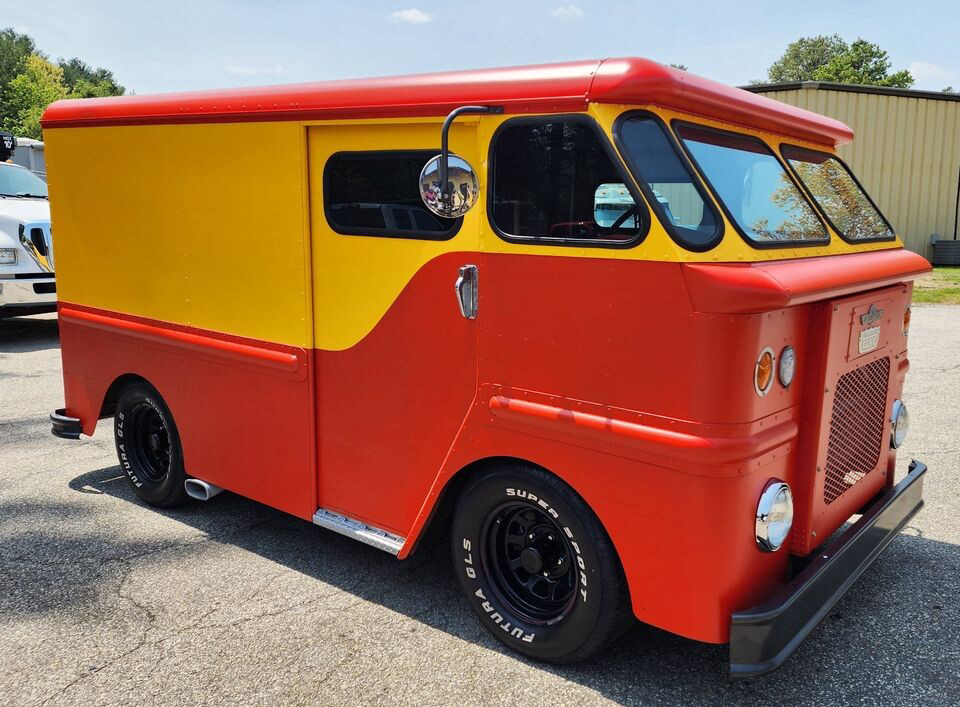
While the LLV is the most recognized Grumman van, the company also produced civilian versions under the "Kurbside" name, primarily for commercial delivery and utility purposes. These models shared the LLV's fundamental design and construction principles but often featured different configurations and amenities.
The Challenges of Finding Grumman Van Parts
While the Grumman LLV and Kurbside are known for their longevity, their age presents a significant challenge: parts availability. Several factors contribute to this:
- Limited Production Run: Grumman primarily produced the LLV for the USPS, with limited numbers of Kurbside models for the civilian market. This inherently restricts the overall supply of original parts.
- Specialized Design: The LLV's right-hand drive configuration and unique features, such as the sliding doors and integrated mail trays, necessitate specialized parts that are not readily available from mainstream automotive suppliers.
- Age and Obsolescence: Many original parts are no longer in production. Finding New Old Stock (NOS) parts can be a treasure hunt, often requiring extensive searching and networking.
- Dwindling Supply of Donor Vehicles: As LLVs are retired from service, the pool of potential donor vehicles shrinks, further tightening the supply of used parts.
- Variations and Sub-Models: Even within the LLV and Kurbside families, there are variations in engines, transmissions, and other components, adding complexity to the parts identification and procurement process.

Navigating the Grumman Van Parts Landscape: Resources and Strategies
Despite the challenges, a vibrant ecosystem of suppliers, specialists, and enthusiasts exists to support Grumman van owners. Here's a breakdown of the key resources and strategies for finding the parts you need:
- Online Retailers and Parts Suppliers: Numerous online retailers specialize in Grumman van parts. These range from general auto parts suppliers that carry common components like brakes, filters, and suspension parts to dedicated LLV and Kurbside specialists who stock a wider range of hard-to-find items.
- Pros: Convenient, often offer competitive pricing, provide detailed product descriptions and images.
- Cons: Can be difficult to verify part compatibility, potential for shipping delays and returns.

- Used Parts Yards and Salvage Operations: Scrap yards and salvage operations can be a valuable source of used parts, especially for body panels, interior components, and less critical mechanical items.
- Pros: Affordable, opportunity to find rare or discontinued parts.
- Cons: Requires time and effort to search, condition of parts can vary significantly, may require cleaning and refurbishment.
- Online Forums and Communities: Online forums and social media groups dedicated to Grumman LLVs and Kurbsides are invaluable resources for finding parts, sharing information, and connecting with other enthusiasts.
- Pros: Access to a wealth of knowledge and experience, opportunity to buy and sell parts directly from other owners, helpful advice and troubleshooting assistance.
- Cons: Requires sifting through information, potential for misinformation, reliance on the community's expertise.
- Specialized Grumman Van Restoration Shops: Some automotive restoration shops specialize in Grumman vans. These shops often have extensive knowledge of the vehicles, access to rare parts, and the expertise to perform complex repairs and restorations.
- Pros: Professional service, access to specialized tools and equipment, guarantee of quality workmanship.
- Cons: Can be expensive, may require shipping the vehicle to the shop.
- eBay and Online Auction Sites: eBay and other online auction sites can be a mixed bag, but they can also be a source of rare and hard-to-find parts.
- Pros: Potential to find unique or discontinued items, competitive pricing through bidding.
- Cons: Requires careful vetting of sellers, risk of receiving incorrect or damaged parts, potential for scams.
Essential Considerations When Sourcing Grumman Van Parts
Before embarking on a parts search, it's crucial to consider the following factors:
- Vehicle Identification Number (VIN): The VIN is essential for identifying the specific year, model, and configuration of your Grumman van. This information is crucial for ensuring that you order the correct parts.
- Part Number: Whenever possible, try to obtain the original part number. This will significantly increase the chances of finding the correct replacement. Part numbers can often be found in the vehicle's service manual or by consulting with a parts specialist.
- Part Compatibility: Double-check the compatibility of the part with your vehicle. Pay close attention to year, model, engine type, and any other relevant specifications.
- Part Condition: Carefully assess the condition of used parts before purchasing them. Look for signs of wear, damage, or corrosion. Ask the seller for detailed photos and descriptions.
- Shipping Costs: Factor in shipping costs when comparing prices from different suppliers. Large or heavy parts can be expensive to ship.
- Return Policy: Ensure that the supplier has a clear and fair return policy in case you receive the wrong part or the part is defective.
- Reputation of the Supplier: Research the supplier's reputation before placing an order. Read online reviews and check for any complaints or issues.
Common Grumman Van Parts Needs
While the specific parts needed will vary depending on the vehicle's condition and intended use, some common parts needs for Grumman vans include:
- Brakes: Brake pads, rotors, calipers, master cylinders, and brake lines.
- Suspension: Shocks, struts, springs, ball joints, tie rod ends, and control arms.
- Engine Components: Filters, belts, hoses, spark plugs, distributors, carburetors (depending on the year), and engine mounts.
- Transmission Components: Filters, fluids, seals, and clutch parts (if applicable).
- Body Panels: Fenders, doors, hoods, bumpers, and rocker panels.
- Interior Components: Seats, dashboards, door panels, and instrument clusters.
- Lighting: Headlights, taillights, turn signals, and marker lights.
- Electrical Components: Wiring harnesses, fuses, relays, and switches.
- Exhaust System: Mufflers, catalytic converters, and exhaust pipes.
The Future of Grumman Van Parts
As the Grumman LLV continues its long service life and more enthusiasts embrace the Kurbside, the demand for parts will remain strong. While the supply of original parts may continue to dwindle, the aftermarket is likely to play an increasingly important role.
- Reproduction Parts: The production of high-quality reproduction parts is essential for keeping these vehicles on the road. As demand grows, more manufacturers may invest in producing reproduction parts for Grumman vans.
- 3D Printing: 3D printing technology offers the potential to create custom parts or replicate rare and discontinued items. This could become a valuable tool for restorers and enthusiasts.
- Electric Conversions: With the growing interest in electric vehicles, some owners are exploring electric conversions for Grumman vans. This would require sourcing electric motors, batteries, and other related components.
Conclusion: Keeping the Grumman Van Legacy Alive
The Grumman LLV and Kurbside are more than just delivery vehicles; they are symbols of American ingenuity and resilience. Finding the right parts to maintain and restore these iconic vehicles can be challenging, but with the right resources, strategies, and a little patience, it's possible to keep the legend rolling. By supporting the suppliers, specialists, and enthusiasts who are dedicated to preserving the Grumman van legacy, we can ensure that these enduring vehicles continue to grace our streets for years to come. The distinctive rumble, the boxy silhouette, and the memories they evoke deserve to be kept alive.

