The Unsung Hero of Finance: Understanding the Repo Truck
Repossession. The word itself carries a heavy weight, conjuring images of late-night visits, tearful goodbyes, and financial hardship. And at the heart of this often-difficult process is the Repo Truck – a vehicle and a profession often misunderstood, yet undeniably crucial to the functioning of our credit-driven economy.
But what exactly is a Repo Truck? Simply put, it's a specialized tow truck equipped to safely and efficiently repossess vehicles (cars, trucks, motorcycles, etc.) from individuals who have defaulted on their loan agreements. The Repo Truck isn't just a vehicle; it's a tool wielded by professionals navigating a complex legal and ethical landscape. This article delves into the world of the Repo Truck, exploring its mechanics, the responsibilities of its operators, the intricacies of the repossession process, and offering practical advice for navigating this often-uncomfortable reality.
The Unsung Hero of Finance: Understanding the Repo Truck
Section 1: What is a Repo Truck and What Does it Do?
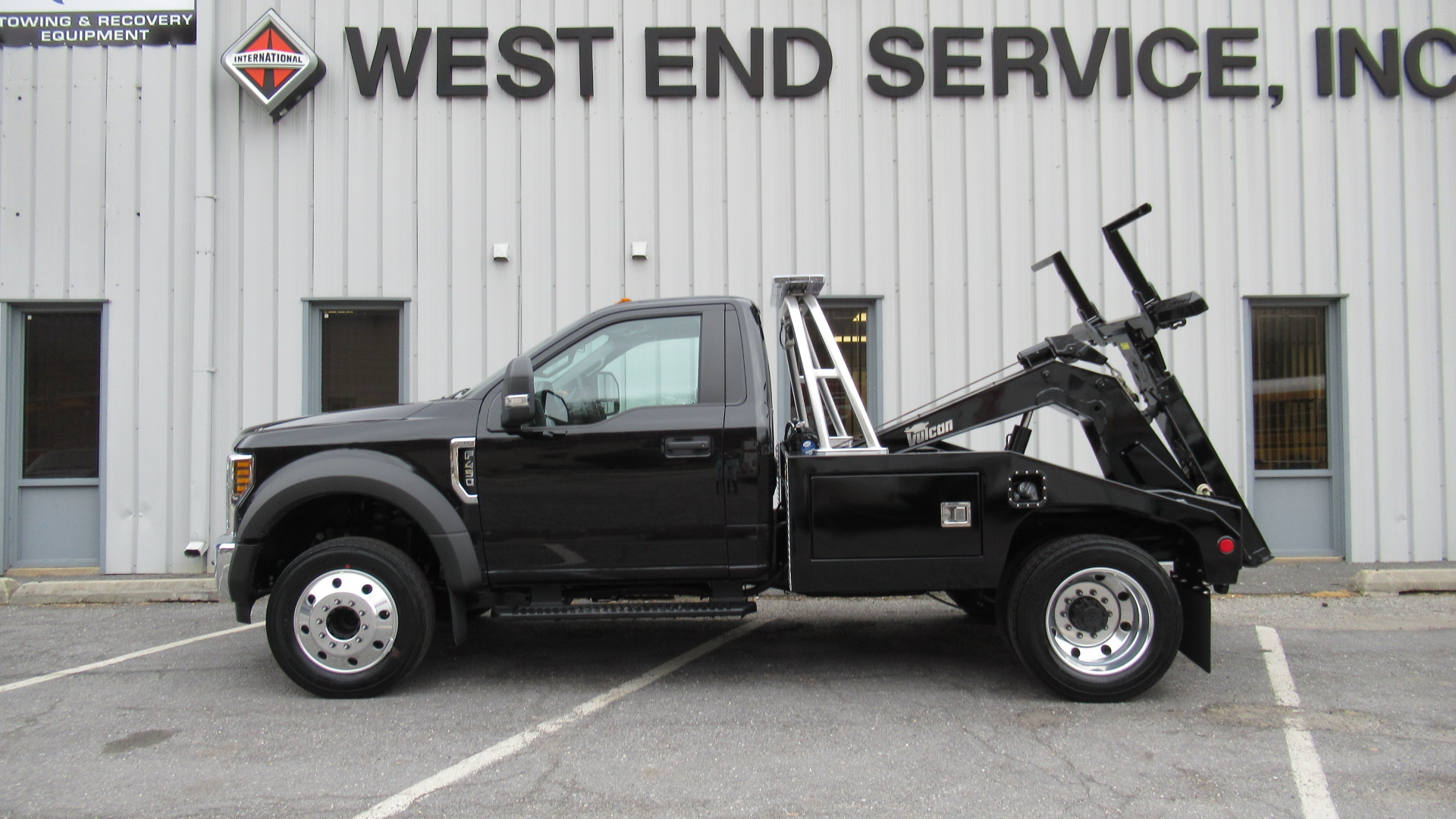
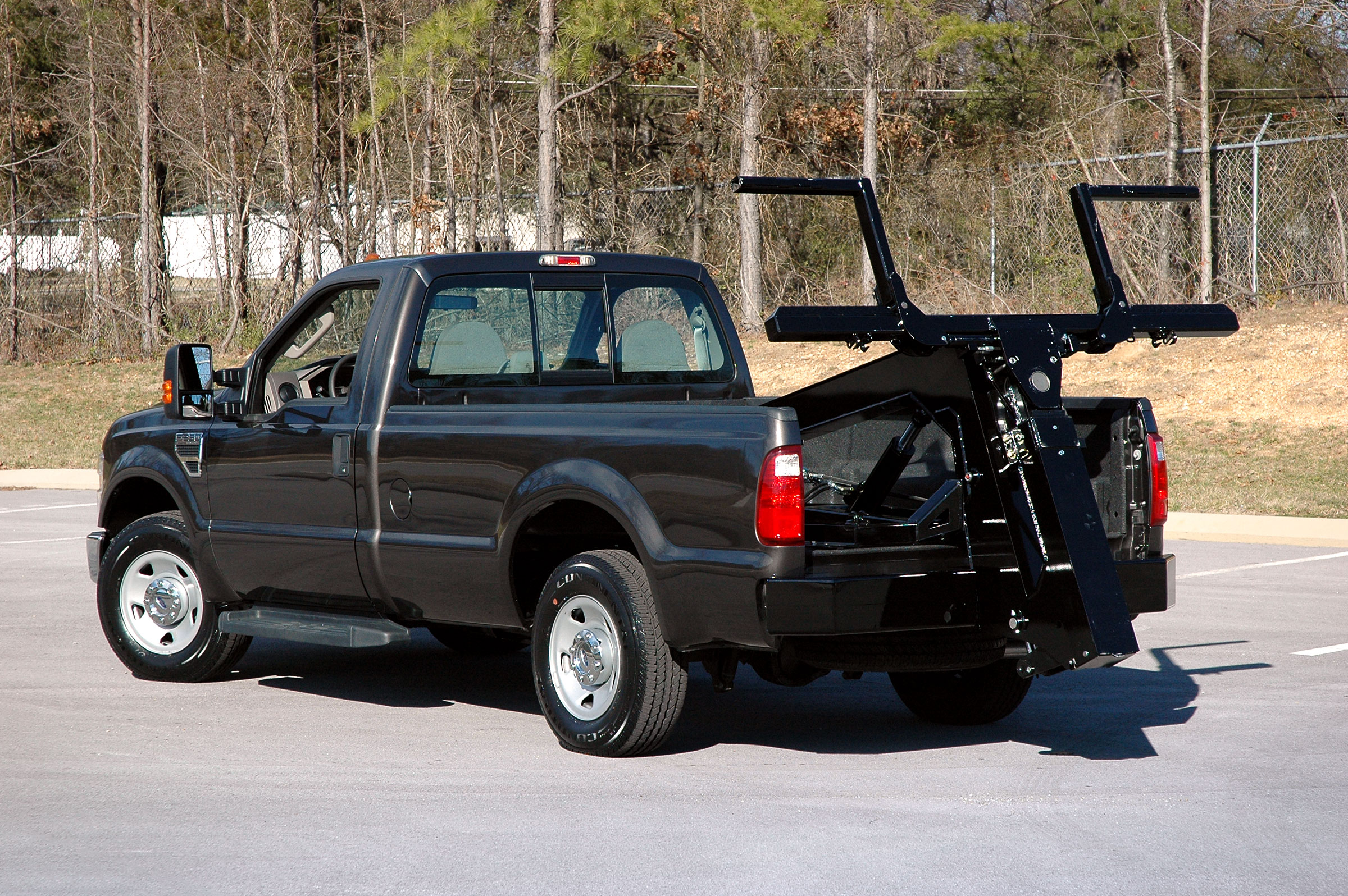
The Repo Truck, at its core, is a modified tow truck. However, unlike a standard tow truck called to assist with breakdowns, the Repo Truck is specifically designed for the swift and discreet retrieval of vehicles under repossession orders. Key features that distinguish it include:
- Specialized Towing Equipment: Repo Trucks often utilize wheel-lift towing systems, which lift a vehicle by its wheels, minimizing the risk of damage during transport. They may also employ self-loading booms and winches, allowing for repossession in tight or challenging locations.
- Security Features: Some Repo Trucks are equipped with cameras and recording devices to document the repossession process, protecting both the driver and the lender from potential liability.
- Communication Systems: Reliable communication is essential for coordinating with lenders, law enforcement, and other repo professionals.
The primary function of the Repo Truck is to execute repossession orders issued by lenders. This involves:
- Receiving a Repossession Order: The lender provides the repo company (and thus the truck driver) with a legal document authorizing the repossession. This order typically includes details about the vehicle (make, model, VIN), the borrower's information, and the location of the vehicle.
- Locating the Vehicle: This can involve surveillance, database searches, and even "skip tracing" – the art of tracking down individuals who have moved without updating their contact information.
- Repossessing the Vehicle: Once the vehicle is located, the repo driver must ensure the repossession is conducted legally and safely. This often involves notifying local law enforcement and adhering to specific state regulations.
- Transporting the Vehicle: The vehicle is then transported to a designated storage facility, where it will be held until the borrower can either redeem it or the lender proceeds with selling it at auction.

Section 2: The Repossession Process: A Step-by-Step Guide
Understanding the repossession process is crucial for both borrowers and lenders. Here's a simplified breakdown:
- Default: The borrower fails to make payments on their loan agreement, triggering the default clause.
- Notice of Default: The lender is typically required to send the borrower a written notice of default, outlining the amount owed and the timeframe for making up the missed payments.
- Repossession Order: If the borrower fails to cure the default, the lender issues a repossession order to a repo company.
- Vehicle Recovery: The repo company locates and repossesses the vehicle using a Repo Truck.
- Notice of Repossession and Right to Redeem: The lender must notify the borrower of the repossession and their right to redeem the vehicle by paying the outstanding debt, including repossession fees.
- Sale of the Vehicle: If the borrower fails to redeem the vehicle within the specified timeframe, the lender can sell it at auction.
- Deficiency Balance: If the sale price of the vehicle is less than the outstanding debt, the borrower may be liable for the deficiency balance.
Section 3: The Repo Truck Driver: Responsibilities and Challenges
Being a Repo Truck driver is not for the faint of heart. It requires a unique combination of skills, including:
- Legal Knowledge: Repo drivers must be intimately familiar with state and federal repossession laws to avoid violating consumer rights.
- Driving Skills: Operating a Repo Truck requires exceptional driving skills, especially when navigating tight spaces or inclement weather.
- Communication and Interpersonal Skills: Repo drivers often interact with emotionally charged individuals and must be able to de-escalate tense situations.
- Skip Tracing Skills: Locating vehicles often requires investigative skills and the ability to track down individuals who are actively trying to avoid repossession.
The challenges faced by Repo Truck drivers are numerous:
- Dangerous Situations: Repo drivers often encounter hostile or confrontational individuals, putting them at risk of physical harm.
- Legal Liability: Even a minor violation of repossession laws can result in significant legal penalties.
- Ethical Dilemmas: Repo drivers often grapple with the ethical implications of their work, particularly when dealing with borrowers facing financial hardship.
- Long and Irregular Hours: The nature of the job often requires working nights and weekends, making it difficult to maintain a healthy work-life balance.
Section 4: Tips for Borrowers Facing Repossession
If you're facing the possibility of repossession, here's what you can do:
- Communicate with Your Lender: Contact your lender as soon as you anticipate difficulty making payments. They may be willing to work with you to modify your loan agreement or offer temporary forbearance.
- Understand Your Rights: Familiarize yourself with your state's repossession laws. This will help you protect yourself from illegal or unethical repossession practices.
- Keep Records: Maintain accurate records of all communication with your lender, including dates, times, and the names of the individuals you spoke with.
- Seek Legal Advice: If you believe your lender is violating your rights, consult with an attorney specializing in consumer law.
- Explore Alternatives: Consider alternatives to repossession, such as selling the vehicle yourself or surrendering it voluntarily.
Section 5: Important Considerations for Lenders Utilizing Repo Services
For lenders, choosing the right repo company is crucial. Here are some key considerations:
- Compliance: Ensure the repo company is fully compliant with all applicable state and federal laws and regulations.
- Experience and Reputation: Choose a company with a proven track record of success and a positive reputation within the industry.
- Insurance Coverage: Verify that the repo company carries adequate insurance coverage to protect against liability in the event of an accident or damage to the vehicle.
- Technology and Equipment: Look for a company that utilizes modern technology and well-maintained equipment to ensure efficient and safe repossessions.
- Communication and Transparency: Choose a company that provides clear and timely communication throughout the repossession process.
Section 6: The Future of Repossession Technology
The repossession industry is constantly evolving with technological advancements. Some emerging trends include:
- GPS Tracking: Increasingly, lenders are equipping vehicles with GPS tracking devices, making it easier to locate them in the event of default.
- Remote Immobilization: Some lenders are exploring the use of remote immobilization technology, which allows them to disable a vehicle remotely if the borrower is delinquent on their payments.
- AI-Powered Skip Tracing: Artificial intelligence is being used to analyze vast amounts of data to identify individuals who have skipped town and hidden their vehicles.
Section 7: Types of Repo Trucks
While the basic function remains the same, Repo Trucks can vary based on the types of vehicles they are designed to repossess and the terrain they operate in:
- Standard Wheel-Lift Repo Trucks: These are the most common type, designed for passenger cars and light trucks.
- Flatbed Repo Trucks: Used for repossessing vehicles that are damaged, immobile, or require specialized handling.
- Heavy-Duty Repo Trucks: Equipped for repossessing large trucks, buses, and other heavy equipment.
- Off-Road Repo Trucks: Designed for retrieving vehicles from difficult or remote locations.
Section 8: Potential Challenges and Solutions
Here's a look at common challenges and possible solutions related to Repo Trucks and the repossession process:
| Challenge | Solution |
|---|---|
| Confrontational Borrowers | Thorough training for repo drivers in de-escalation techniques; body cameras. |
| Legal Compliance Issues | Regular audits of repossession procedures; ongoing training on legal updates. |
| Vehicle Damage During Repossession | Proper equipment maintenance; careful handling of vehicles; comprehensive insurance. |
| Difficulty Locating Vehicles | Investment in advanced skip tracing technology and experienced investigators. |
| Negative Public Perception | Enhanced transparency in the repossession process; community outreach programs. |
Section 9: Repo Truck Price Table
| Feature | Description | Average Price Range |
|---|---|---|
| Basic Wheel-Lift Repo Truck | Standard model for passenger vehicles; includes wheel-lift, winch, and basic lighting. | $50,000 - $80,000 |
| Flatbed Repo Truck | For transporting damaged or immobile vehicles; includes flatbed platform, winch, and tie-down equipment. | $60,000 - $90,000 |
| Heavy-Duty Repo Truck | For repossessing large trucks and equipment; includes heavy-duty winch, specialized towing attachments, and reinforced chassis. | $90,000 - $150,000+ |
| GPS Tracking System | Real-time vehicle tracking; can be installed on new or existing trucks. | $500 - $1,500 |
| Body Camera System | Records video and audio during repossessions; enhances transparency and protects against liability. | $200 - $500 per camera |
| Skip Tracing Software | Helps locate borrowers and vehicles; provides access to databases and investigative tools. | $100 - $500 per month |
Section 10: Frequently Asked Questions (FAQ)
- Can a repo company break into my garage to repossess my vehicle? Generally, no. Repo companies are not typically allowed to enter private property (like a closed garage) without the owner's consent.
- Can a repo company repossess my vehicle in the middle of the night? Yes, in most states, there are no restrictions on the time of day a vehicle can be repossessed.
- What happens to my personal belongings left in the vehicle after repossession? The lender is typically required to allow you to retrieve your personal belongings. They must provide you with a reasonable opportunity to do so.
- Can I prevent repossession by hiding my vehicle? While hiding your vehicle may delay the repossession, it's not a long-term solution. It can also lead to additional legal consequences.
- What is a "breach of the peace" in the context of repossession? A "breach of the peace" refers to any action by the repo company that is likely to cause a disturbance or incite violence. Repo companies are prohibited from breaching the peace during repossession.
Conclusion
The Repo Truck, often seen as a symbol of financial distress, is an integral part of the lending ecosystem. While its presence can be unsettling, understanding the mechanics of the repossession process, the responsibilities of the drivers, and the rights of both borrowers and lenders is crucial. By promoting transparency, adhering to legal regulations, and fostering open communication, we can navigate the often-challenging landscape of repossession with greater understanding and empathy. Ultimately, the Repo Truck serves as a constant reminder of the importance of responsible borrowing and lending, and the consequences of failing to meet financial obligations.

