U-Haul Trailer Sizes and Prices: A Comprehensive Guide to Choosing the Right Fit
Moving can be a stressful experience, but choosing the right equipment can significantly ease the burden. U-Haul, a ubiquitous name in the moving industry, offers a variety of trailers designed to handle different loads and budgets. Understanding U-Haul trailer sizes and prices is crucial for a smooth and cost-effective move. This comprehensive guide will walk you through everything you need to know, from selecting the appropriate trailer to understanding the pricing structure and navigating potential challenges.
Why Understanding U-Haul Trailer Sizes and Prices Matters
U-Haul Trailer Sizes and Prices: A Comprehensive Guide to Choosing the Right Fit
Choosing the wrong trailer can lead to several problems. An undersized trailer might force you to make multiple trips, costing you time and money. Conversely, an oversized trailer can be difficult to maneuver, increase fuel consumption, and be unnecessarily expensive. Knowing the available sizes, their capabilities, and the associated costs allows you to make an informed decision that aligns with your specific moving needs, budget, and comfort level. By understanding U-Haul's pricing structure, you can also anticipate potential costs and plan your move more effectively.
U-Haul Trailer Sizes: A Detailed Overview
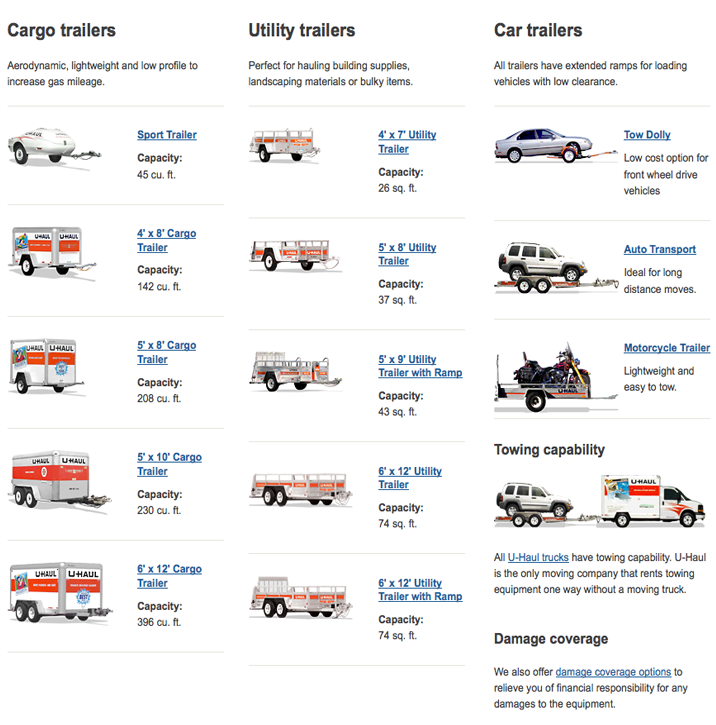
U-Haul offers a range of trailers, each designed for different types of moves and cargo. Here's a breakdown of the most common sizes:
- 4' x 8' Cargo Trailer: This is the smallest enclosed trailer option, ideal for small apartments, dorm rooms, or transporting a limited number of boxes and smaller furniture items. It's easy to tow and maneuver.
- 5' x 8' Cargo Trailer: Slightly larger than the 4' x 8', this trailer offers a bit more space for a studio apartment or a small one-bedroom. It can accommodate a small mattress, a few pieces of furniture, and several boxes.
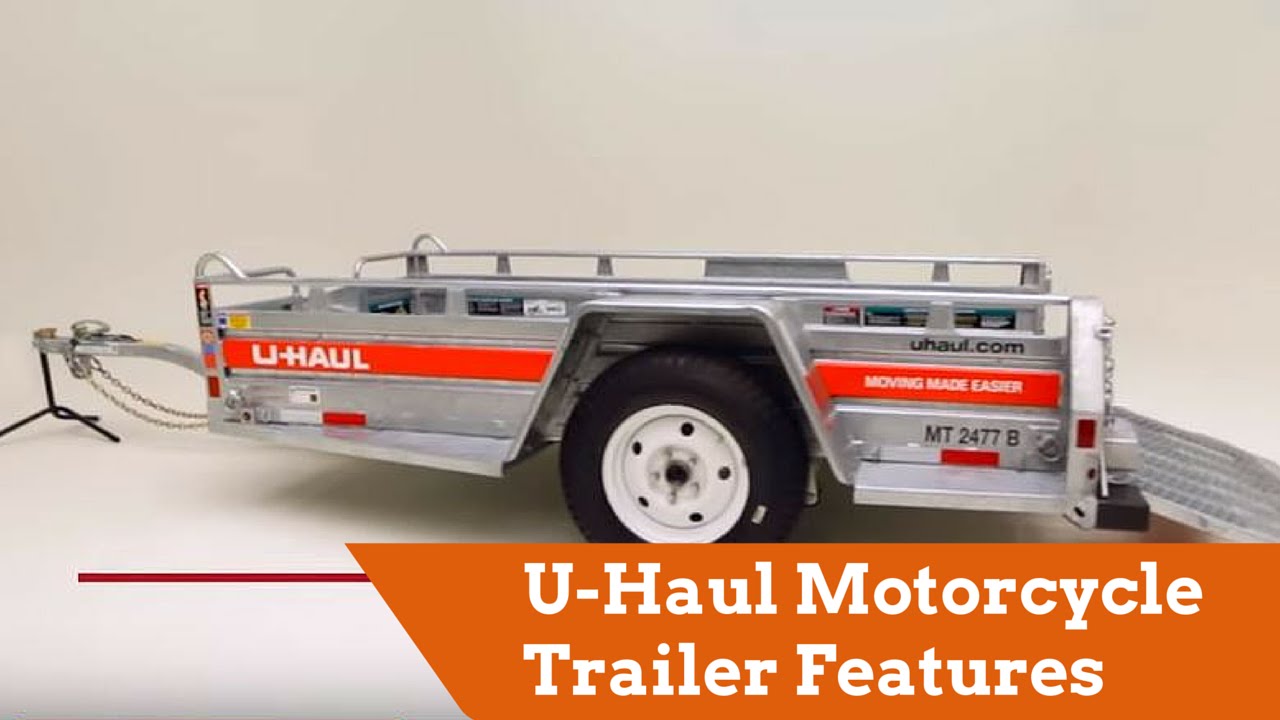
- 5' x 9' Utility Trailer with Ramp: This open trailer is perfect for hauling items that are difficult to fit in an enclosed space, such as motorcycles, ATVs, or larger pieces of furniture. The ramp makes loading and unloading easier.
- 6' x 12' Cargo Trailer: This is a popular choice for moving the contents of a one- to two-bedroom apartment or a small house. It offers ample space for furniture, appliances, and boxes.
- 6' x 12' Utility Trailer with Ramp: Similar to the 5' x 9', this open trailer provides even more space for larger items and is equipped with a ramp for convenient loading.
- Auto Transport Trailer: Designed specifically for transporting vehicles, this trailer securely cradles your car or truck. It requires a vehicle with sufficient towing capacity and a 2" ball and hitch.
Key Considerations When Choosing a Trailer Size:
- Inventory: Accurately assess the volume of items you need to move. Consider making a detailed inventory list to estimate the required space.
- Furniture: Measure your furniture pieces to ensure they will fit through the trailer door and within the trailer's dimensions.
- Weight: Pay attention to the trailer's weight capacity and your vehicle's towing capacity. Overloading the trailer or exceeding your vehicle's towing limit can be dangerous and illegal. Consult your vehicle's owner's manual for towing capacity information.
- Distance: For long-distance moves, a larger trailer might be more efficient, allowing you to complete the move in fewer trips.
- Ease of Maneuvering: Consider the ease of maneuvering the trailer in your neighborhood and at your destination. Smaller trailers are easier to navigate in tight spaces.
- Towing Vehicle: Ensure your vehicle is compatible with the trailer you choose. U-Haul provides information on compatible vehicles for each trailer type.

U-Haul Trailer Prices: Understanding the Cost Structure
U-Haul trailer prices are typically based on the following factors:
- Trailer Size: Larger trailers generally cost more to rent than smaller trailers.
- Rental Duration: The longer you rent the trailer, the higher the cost. Daily rates are common, but U-Haul also offers long-term rental options.
- Mileage: Local moves often have a set mileage allowance, while long-distance moves may have a per-mile charge.
- One-Way vs. Round Trip: One-way rentals, where you drop off the trailer at a different location, usually cost more than round-trip rentals.
- Insurance: U-Haul offers optional insurance coverage to protect against damage or loss of the trailer or its contents.
- Taxes and Fees: Sales tax and other applicable fees will be added to the rental cost.
Estimating Your U-Haul Trailer Rental Cost:
The best way to get an accurate estimate of your U-Haul trailer rental cost is to use the U-Haul website or mobile app. You can enter your pickup and drop-off locations, rental dates, and the trailer size you're interested in to receive a personalized quote.
Example Price Table (Prices are estimates and vary based on location and availability):
| Trailer Size | Local (Daily) | One-Way (Estimate, Varies Greatly) |
|---|---|---|
| 4' x 8' Cargo Trailer | $19.95+ | $100 - $500+ (Depending on Distance) |
| 5' x 8' Cargo Trailer | $24.95+ | $120 - $600+ (Depending on Distance) |
| 5' x 9' Utility Trailer w/ Ramp | $29.95+ | Not Typically Available One-Way |
| 6' x 12' Cargo Trailer | $29.95+ | $150 - $700+ (Depending on Distance) |
| 6' x 12' Utility Trailer w/ Ramp | $34.95+ | Not Typically Available One-Way |
| Auto Transport Trailer | $54.95+ | $200 - $900+ (Depending on Distance) |
Important Note: These prices are estimates and can vary significantly based on location, availability, and time of year. Always check the U-Haul website or app for the most up-to-date pricing information.
Tips for Saving Money on Your U-Haul Trailer Rental:
- Book in Advance: Reserving your trailer in advance, especially during peak moving season (summer), can help you secure the size you need and potentially get a better price.
- Consider Mid-Week Rentals: Rental rates are often lower during the week than on weekends.
- Compare Quotes: Get quotes from multiple U-Haul locations to compare prices.
- Pack Efficiently: Maximize the space in your trailer by packing efficiently and using appropriate packing materials.
- Decline Unnecessary Add-Ons: Carefully consider whether you need optional insurance coverage or other add-ons.
- Return on Time: Avoid late fees by returning the trailer on time.
- Check for Discounts: U-Haul sometimes offers discounts for students, military personnel, or AAA members.
Potential Challenges and Solutions:
- Trailer Availability: During peak moving season, trailer availability can be limited. Book your trailer well in advance to avoid disappointment.
- Towing Capacity: Ensure your vehicle has sufficient towing capacity for the trailer you choose. If you're unsure, consult your vehicle's owner's manual or contact U-Haul for assistance.
- Hitch and Ball Size: Make sure your vehicle has the correct hitch and ball size for the trailer you're renting. U-Haul can provide hitch installation services if needed.
- Loading and Unloading: Loading and unloading a trailer can be physically demanding. Enlist the help of friends or hire professional movers to assist you.
- Trailer Sway: Trailer sway can be dangerous. Ensure the trailer is properly loaded with the weight evenly distributed to minimize sway. Drive at a safe speed and avoid sudden maneuvers.
Frequently Asked Questions (FAQ):
- Q: What do I need to rent a U-Haul trailer?
- A: You typically need a valid driver's license, a credit card, and a vehicle that is compatible with the trailer you want to rent.
- Q: Can I rent a trailer one-way?
- A: Yes, U-Haul offers one-way trailer rentals. However, one-way rentals are usually more expensive than round-trip rentals.
- Q: Does U-Haul offer insurance for trailers?
- A: Yes, U-Haul offers optional insurance coverage to protect against damage or loss of the trailer or its contents.
- Q: What is the towing capacity of my vehicle?
- A: Consult your vehicle's owner's manual for the towing capacity. You can also contact a U-Haul representative for assistance.
- Q: Can I tow a U-Haul trailer with a car?
- A: Some U-Haul trailers can be towed with cars, but it depends on the size of the trailer and the towing capacity of your car.
- Q: What if I need to cancel my reservation?
- A: U-Haul has a cancellation policy. Check their website or contact a U-Haul representative for details.
- Q: What happens if the trailer gets damaged while I'm renting it?
- A: If you have insurance coverage, U-Haul will handle the repairs. If you don't have insurance, you will be responsible for the cost of the repairs.
Conclusion:
Choosing the right U-Haul trailer size and understanding the pricing structure is essential for a successful and stress-free move. By carefully assessing your needs, considering the factors outlined in this guide, and utilizing U-Haul's online resources, you can make an informed decision that aligns with your budget and requirements. Remember to book in advance, pack efficiently, and prioritize safety throughout the moving process. With proper planning and preparation, your U-Haul trailer rental experience can be a positive one. Ultimately, the best trailer is the one that safely and efficiently transports your belongings while fitting your budget.

