U-Haul Trailers For Rental: Your Comprehensive Guide to Easy Moving
Moving can be a daunting task, filled with packing, planning, and the inevitable question of how to transport your belongings. While hiring professional movers is an option, it can be expensive. This is where U-Haul trailers come in as a cost-effective and convenient solution for many moving needs. This comprehensive guide will explore everything you need to know about U-Haul trailer rentals, from the different types available to how to choose the right one and navigate the rental process. Whether you're moving across town or across the country, understanding your U-Haul trailer options is the first step toward a smoother, more affordable move.
Why Choose a U-Haul Trailer?
U-Haul Trailers For Rental: Your Comprehensive Guide to Easy Moving
U-Haul has been a mainstay in the moving industry for decades, and their trailers offer several advantages over other moving solutions:
- Cost-Effectiveness: Compared to hiring movers or renting a moving truck, U-Haul trailers are generally more affordable, especially for smaller moves or shorter distances.
- Flexibility: You have control over your moving schedule. You can pack and load at your own pace, without being bound by the mover's timeline.
- Variety of Sizes: U-Haul offers a range of trailer sizes to accommodate different amounts of belongings, ensuring you only pay for the space you need.
- Convenience: With numerous locations across North America, finding a U-Haul rental location is usually easy. You can often pick up and drop off at different locations, providing even more flexibility.
- Ease of Use: U-Haul trailers are designed to be user-friendly, with features like low decks for easy loading and secure tie-down points.
Understanding the Different Types of U-Haul Trailers
U-Haul offers a variety of trailer types to suit different moving needs. Here's a breakdown of the most common options:
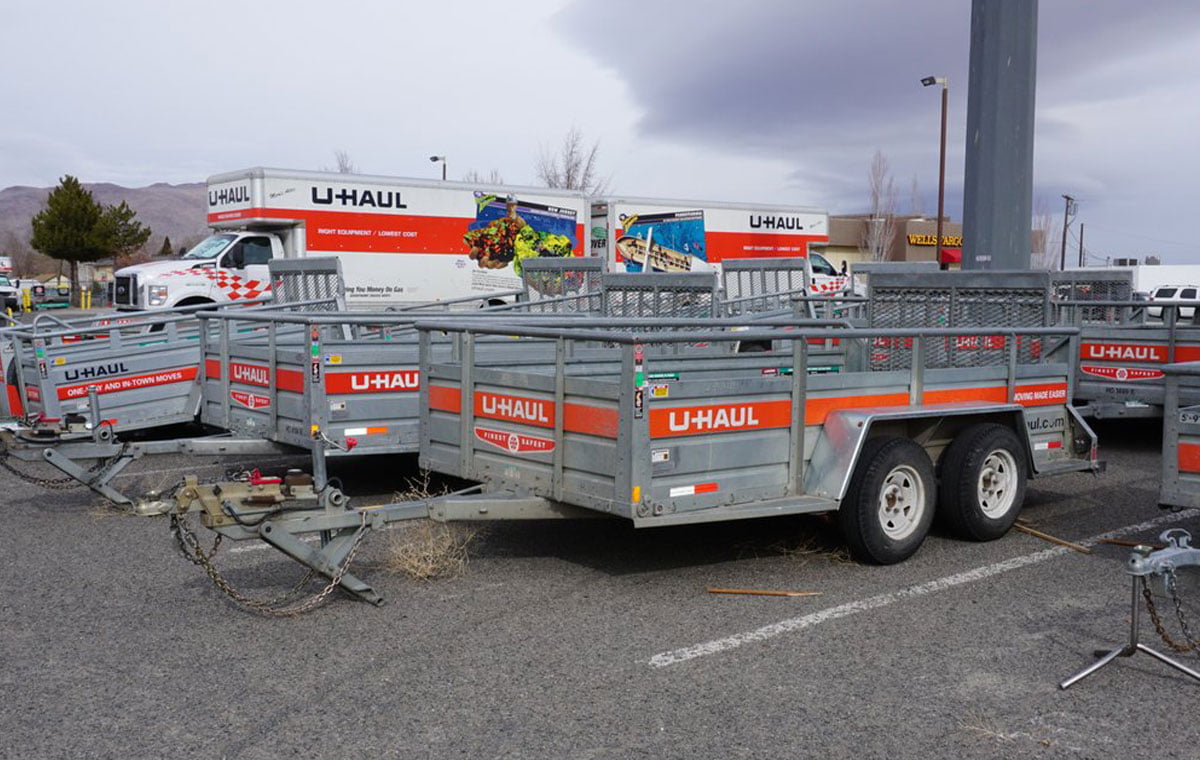
- Utility Trailers: These open trailers are ideal for hauling items that don't require protection from the elements, such as landscaping materials, furniture, or equipment. They come in various sizes, typically ranging from 4' x 7' to 6' x 12'.
- Best for: Short-distance moves, hauling bulky items, landscaping projects.
- Considerations: Items are exposed to weather; require proper securing.

- Enclosed Trailers: Also known as cargo trailers, these trailers offer protection from the elements and added security. They are perfect for moving furniture, boxes, and other household goods. Sizes typically range from 4' x 8' to 6' x 12'.
- Best for: Long-distance moves, protecting belongings from weather, added security.
- Considerations: Can be more expensive than utility trailers; may require more skill to tow.
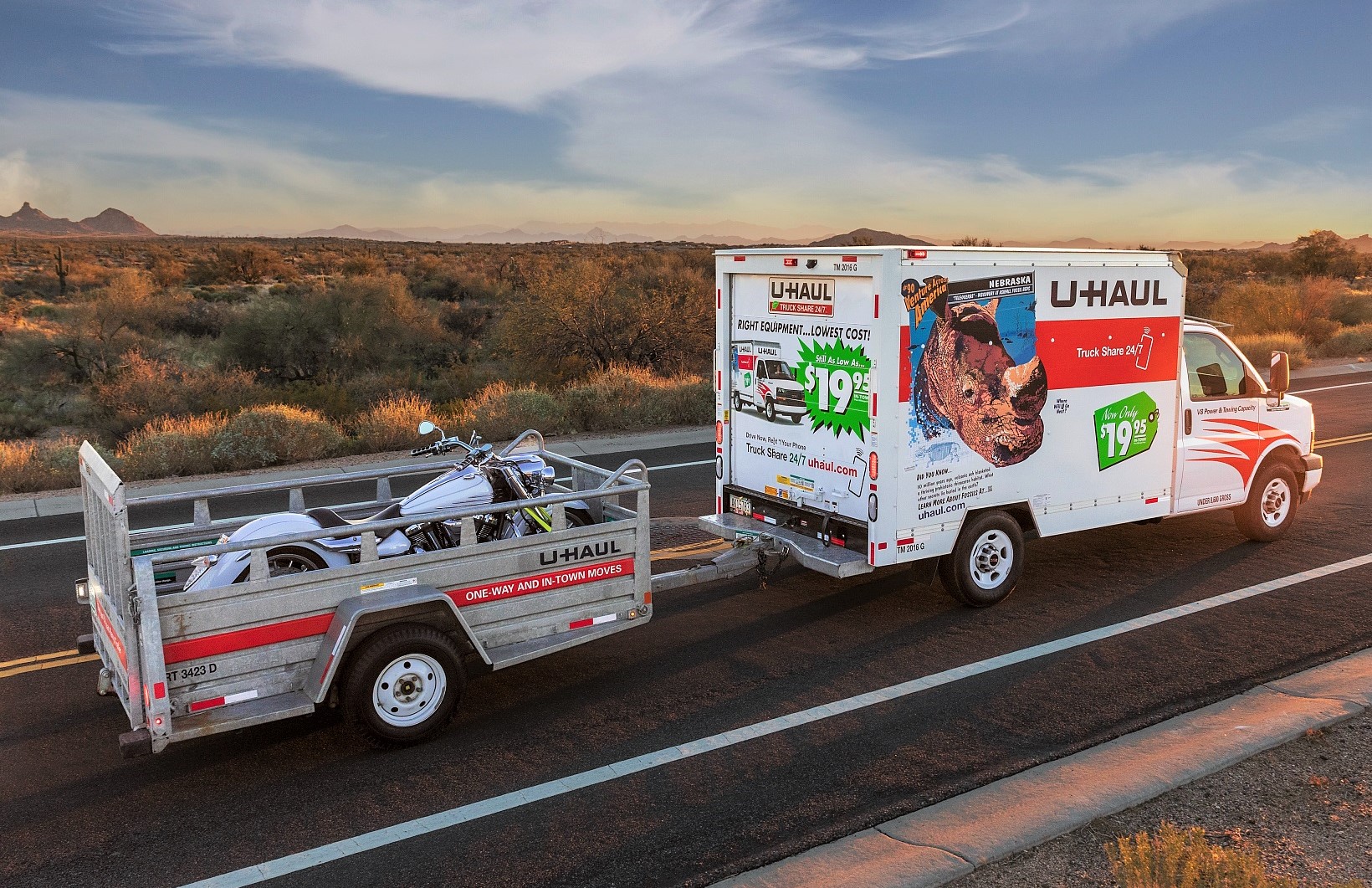
- Motorcycle Trailers: Specifically designed for transporting motorcycles, these trailers feature built-in ramps and tie-down points to ensure secure transport.
- Best for: Transporting motorcycles safely and securely.
- Considerations: Only suitable for motorcycles; may require specific towing equipment.
- Auto Transport Trailers: These trailers are designed to transport vehicles, either with two wheels up or flat on all four wheels. They are perfect for moving cars, trucks, or SUVs.
- Best for: Moving vehicles long distances.
- Considerations: Requires a vehicle with sufficient towing capacity; may require specific licensing or permits.
Choosing the Right Trailer Size
Selecting the correct trailer size is crucial to ensure a safe and efficient move. Here's a general guideline:
- 4' x 7' Utility/Enclosed Trailer: Ideal for small apartments, dorm rooms, or single-item moves (e.g., a couch or appliance).
- 5' x 8' Utility/Enclosed Trailer: Suitable for small apartments or studio apartments.
- 5' x 9' Utility Trailer: Best for moving materials to your home from your local hardware store, or materials to the local landfill.
- 6' x 12' Utility/Enclosed Trailer: A good option for one- to two-bedroom apartments or smaller homes.
- Auto Transport Trailer: Designed for one vehicle.
Important Considerations When Renting a U-Haul Trailer
Before you reserve your U-Haul trailer, consider the following factors:
- Towing Capacity: Ensure your vehicle has the necessary towing capacity for the trailer and its contents. Consult your vehicle's owner's manual or a qualified mechanic.
- Hitch and Wiring: Verify that your vehicle has a compatible hitch and wiring harness for the trailer you plan to rent. U-Haul can install hitches and wiring if needed.
- Insurance: U-Haul offers various insurance options to protect against damage to the trailer, your belongings, or your vehicle. Consider purchasing coverage for added peace of mind.
- Reservations: It's highly recommended to reserve your trailer in advance, especially during peak moving seasons (summer, end of the month).
- Drop-off Location: Decide whether you'll return the trailer to the same location or a different one. One-way rentals are available but may incur additional fees.
- Safety: Always follow U-Haul's safety guidelines and instructions for loading, securing, and towing the trailer.
The U-Haul Trailer Rental Process: A Step-by-Step Guide
Renting a U-Haul trailer is a straightforward process:
- Determine Your Needs: Assess the size and type of trailer you need based on the amount of belongings you're moving and the distance you'll be traveling.
- Check Towing Capacity: Check the towing capacity of your vehicle in the owner's manual.
- Reserve Your Trailer: Visit the U-Haul website or call their customer service line to reserve your trailer. Provide your desired pick-up date, location, trailer size, and drop-off location (if different).
- Pick Up Your Trailer: On the scheduled pick-up date, go to the U-Haul location with your driver's license and the vehicle you'll be using to tow the trailer.
- Inspect the Trailer: Thoroughly inspect the trailer for any existing damage before accepting it. Note any damage on the rental agreement to avoid being charged for it later.
- Attach the Trailer: U-Haul personnel will assist you in attaching the trailer to your vehicle and ensuring the lights and brakes are functioning correctly.
- Load and Secure Your Belongings: Load your belongings carefully and evenly, distributing the weight appropriately. Use tie-down straps, rope, or moving blankets to secure your items and prevent them from shifting during transport.
- Drive Safely: Drive cautiously and observe all traffic laws. Allow for extra stopping distance and be aware of the trailer's width and height when navigating turns and bridges.
- Return the Trailer: Return the trailer to the designated drop-off location on or before the agreed-upon return date. Ensure the trailer is clean and in the same condition as when you picked it up.
Tips for a Smooth U-Haul Trailer Rental Experience
- Pack Smart: Pack boxes tightly and label them clearly. Disassemble furniture whenever possible to save space.
- Distribute Weight Evenly: Distribute the weight of your belongings evenly throughout the trailer to maintain stability.
- Secure Your Load: Use plenty of tie-down straps or rope to secure your belongings and prevent them from shifting during transport.
- Drive Defensively: Drive cautiously and be aware of your surroundings. Allow for extra stopping distance and be mindful of the trailer's width and height.
- Check the Weather: Check the weather forecast before you start your trip and adjust your driving accordingly.
- Take Breaks: Take frequent breaks during long drives to avoid fatigue.
Potential Challenges and Solutions
- Limited Availability: During peak seasons, trailer availability may be limited. Reserve your trailer well in advance to avoid disappointment.
- Towing Issues: If you're not experienced with towing, practice in a safe, open area before hitting the road.
- Trailer Damage: Inspect the trailer thoroughly before accepting it and purchase insurance to protect against damage.
- Unexpected Fees: Read the rental agreement carefully to understand all fees and charges.
U-Haul Trailers For Rental Prices
| Trailer Type | Size | Daily Rate (Local Move) | Mileage Charge | Notes |
|---|---|---|---|---|
| Utility Trailer | 4' x 7' | \$14.95 | Per Mile | Open trailer, good for small loads. |
| Utility Trailer | 5' x 8' | \$19.95 | Per Mile | Open trailer, slightly larger. |
| Utility Trailer | 5' x 9' | \$24.95 | Per Mile | Open trailer, slightly larger. |
| Utility Trailer | 6' x 12' | \$29.95 | Per Mile | Larger open trailer for bigger loads. |
| Enclosed Trailer | 4' x 8' | \$29.95 | Per Mile | Enclosed, protects items from weather. |
| Enclosed Trailer | 5' x 8' | \$34.95 | Per Mile | Enclosed, slightly larger. |
| Enclosed Trailer | 6' x 12' | \$39.95 | Per Mile | Larger enclosed trailer. |
| Motorcycle Trailer | N/A | \$29.95 | Per Mile | Specifically for motorcycles. |
| Auto Transport | N/A | \$54.95 | Per Mile | For transporting vehicles; requires a specific tow vehicle. |
Note:
- Prices are estimates and can vary based on location, availability, and time of year.
- "Per Mile" charge varies by location and trailer size; check with U-Haul for the current rate.
- Local moves typically involve a daily rate plus mileage.
- One-way rentals have different pricing structures, often involving a flat fee based on distance.
- Additional fees for insurance, environmental fees, or other services may apply.
- It's always best to check the U-Haul website or contact a local U-Haul location for the most accurate and up-to-date pricing information.
Frequently Asked Questions (FAQ)
-
Q: What is the minimum age to rent a U-Haul trailer?
- A: The minimum age to rent a U-Haul trailer is 18 years old.
-
Q: Do I need a special license to tow a U-Haul trailer?
- A: In most cases, a standard driver's license is sufficient. However, for auto transport trailers or larger trailers, you may need a commercial driver's license (CDL) depending on your state's regulations. Check with your local DMV for specific requirements.
-
Q: Can I rent a U-Haul trailer one-way?
- A: Yes, U-Haul offers one-way rentals. You can pick up the trailer at one location and drop it off at another.
-
Q: What happens if I return the trailer late?
- A: You will be charged a late fee, which can vary depending on the trailer type and the length of the delay.
-
Q: What if the trailer gets damaged while I'm renting it?
- A: If you purchased insurance, your coverage will help pay for the damages. If you didn't purchase insurance, you will be responsible for the cost of repairs.
-
Q: Can I cancel my U-Haul trailer reservation?
- A: Yes, you can cancel your reservation. However, cancellation fees may apply depending on how close you are to your pick-up date.
Conclusion
Renting a U-Haul trailer can be a smart and economical way to handle your moving needs. By understanding the different trailer types, considering your towing capacity, and following the rental process carefully, you can ensure a smooth and successful move. Remember to prioritize safety, pack strategically, and secure your load properly. With a little planning and preparation, a U-Haul trailer rental can make your next move a breeze.

