Uhaul Car Trailer Rental: A Comprehensive Guide to Transporting Your Vehicle
Moving can be a stressful experience, and transporting your vehicle can add another layer of complexity. Whether you're relocating across the country, buying a car from out of state, or simply need to transport a non-operational vehicle, U-Haul car trailers offer a convenient and often cost-effective solution. This comprehensive guide will delve into everything you need to know about U-Haul car trailer rentals, from understanding the different types available to successfully hitching, loading, and transporting your vehicle.
Why Choose a U-Haul Car Trailer?
Uhaul Car Trailer Rental: A Comprehensive Guide to Transporting Your Vehicle
U-Haul is a household name in the moving and transportation industry, and their car trailers are a popular choice for several reasons:
- Availability: With a vast network of locations across North America, finding a U-Haul rental near you is typically easy.
- Affordability: Compared to hiring a professional auto transport company, renting a U-Haul car trailer can be significantly cheaper, especially for shorter distances.
- Convenience: You have control over the pickup and drop-off times, allowing you to work around your schedule.
- Ease of Use (Relatively): While it requires some learning and caution, hitching, loading, and towing a car trailer can be mastered with the right information and practice.
Types of U-Haul Car Trailers
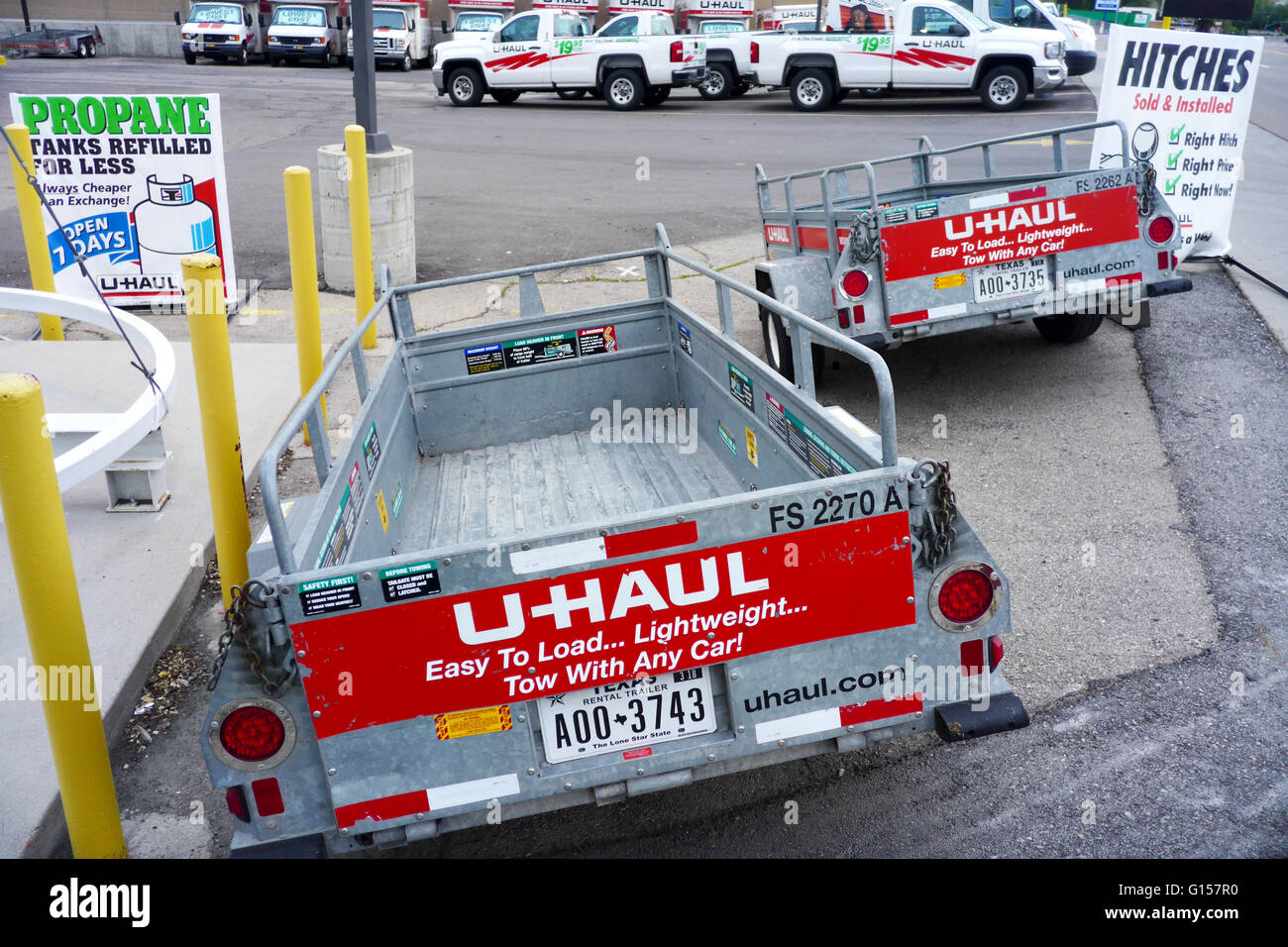
U-Haul offers two primary types of car trailers:
- Auto Transport: This is a flatbed trailer with ramps that allow you to drive your car onto it. It typically features security chains and tire straps to secure the vehicle. It is the most common and recommended option for transporting cars.
-
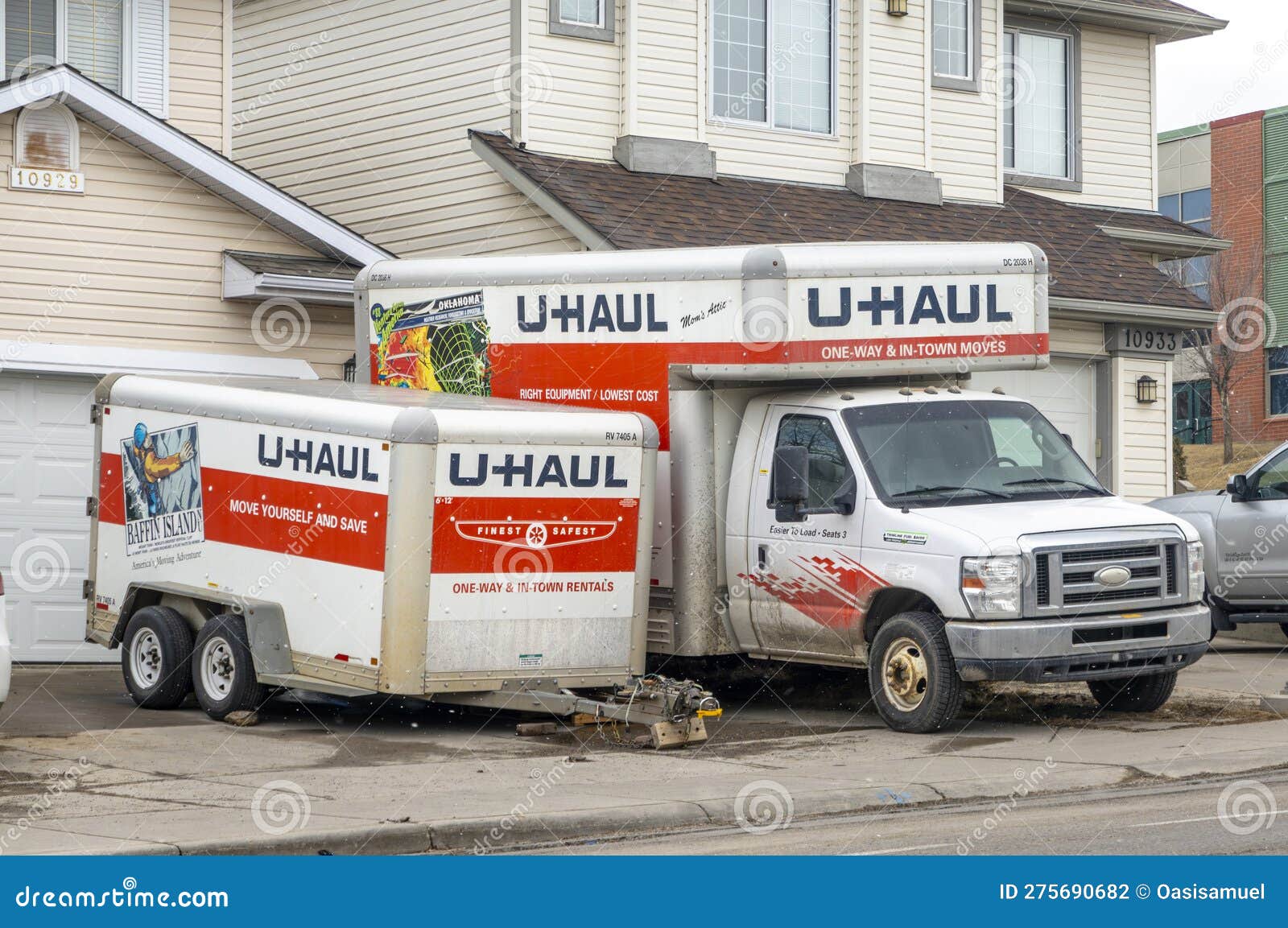
Tow Dolly: A tow dolly is designed to lift only the front wheels of a vehicle off the ground, while the rear wheels remain on the road. This option is typically less expensive than the auto transport, but it's crucial to understand its limitations.
- Important Considerations for Tow Dollies:
- Front-Wheel Drive Only: Tow dollies are generally only suitable for front-wheel-drive vehicles. Towing a rear-wheel-drive vehicle with a tow dolly can cause damage to the drivetrain.
- Mileage on Rear Wheels: Because the rear wheels are on the road, they will accumulate mileage.
- Steering Lock: Some vehicles require the steering wheel to be unlocked for towing, which can be a security risk.
- Vehicle Compatibility: Not all vehicles are compatible with tow dollies. Check the U-Haul website or consult with a U-Haul representative to confirm compatibility.

- Important Considerations for Tow Dollies:
How to Rent a U-Haul Car Trailer: A Step-by-Step Guide
Renting a U-Haul car trailer is a relatively straightforward process. Here's a step-by-step guide:
- Online Reservation (Recommended):
- Visit the U-Haul website (www.uhaul.com).
- Enter your pickup and drop-off locations and dates.
- Select "Car Trailer" or "Tow Dolly" from the equipment options.
- Provide the make, model, and year of both your tow vehicle and the vehicle you'll be transporting. This information is crucial for ensuring compatibility.
- Review the available trailers and their prices.
- Add any necessary extras, such as insurance.
- Enter your personal and payment information to complete the reservation.
- Phone Reservation:
- Call U-Haul customer service.
- Provide the same information as you would online.
- In-Person Rental:
- Visit a U-Haul location.
- Be prepared to provide the necessary information about your vehicles.
- In-person rentals may be subject to availability.
Important Considerations Before Renting
- Tow Vehicle Capacity: This is perhaps the MOST IMPORTANT factor. Ensure your tow vehicle is rated to tow the weight of the trailer PLUS the weight of the vehicle you're transporting. Consult your vehicle's owner's manual or the manufacturer's website for towing capacity information. Exceeding your vehicle's towing capacity can be extremely dangerous and could result in serious accidents.
- Hitch Compatibility: Verify that your tow vehicle has the correct hitch size and type for the U-Haul trailer. U-Haul offers hitch installation services if needed. The ball mount needs to be correct for the trailer to tow level.
- Wiring and Lights: Make sure your tow vehicle has the necessary wiring to connect the trailer lights (brake lights, turn signals, and running lights). U-Haul can provide wiring adapters if needed.
- Insurance: U-Haul offers optional insurance coverage for their trailers. Review the coverage options carefully to determine if they meet your needs. Your existing auto insurance policy may provide some coverage, but it's important to confirm this with your insurance provider.
- Driver's License and Age Requirements: You must have a valid driver's license to rent a U-Haul car trailer. Age restrictions may apply in some locations.
- Vehicle Condition: Document the condition of the trailer before you leave the U-Haul location. Take photos or videos to protect yourself from being charged for pre-existing damage.
Hitching the Trailer: A Step-by-Step Guide
- Position the Tow Vehicle: Back your tow vehicle up to the trailer tongue.
- Lower the Trailer Coupler: Lower the trailer coupler onto the hitch ball. Ensure the coupler is fully seated and locked in place.
- Secure the Safety Chains: Cross the safety chains under the trailer tongue and attach them to the safety chain loops on your tow vehicle's hitch. Leave enough slack for turning but not so much that the chains drag on the ground.
- Connect the Wiring Harness: Connect the wiring harness from the trailer to the wiring receptacle on your tow vehicle. Test the trailer lights to ensure they are working correctly.
- Raise the Trailer Jack: Raise the trailer jack until it is fully retracted.
Loading the Vehicle: A Step-by-Step Guide
- Position the Trailer: Position the trailer on a level surface.
- Extend the Ramps: Extend the ramps from the trailer.
- Drive the Vehicle onto the Trailer: Slowly and carefully drive the vehicle onto the trailer, ensuring it is centered. Use a spotter if possible.
- Secure the Vehicle:
- Auto Transport: Use the security chains and tire straps to secure the vehicle to the trailer. Follow U-Haul's instructions for proper securing techniques. Make sure the straps are tight and properly positioned.
- Tow Dolly: Secure the front wheels of the vehicle in the tow dolly's wheel wells. Follow U-Haul's instructions for proper securing techniques.
- Double-Check: Double-check all connections and straps to ensure they are secure.
Towing Safely: Important Tips
- Drive Slowly: Reduce your speed when towing a trailer. The maximum recommended speed is typically 55 mph.
- Allow Extra Stopping Distance: Towing a trailer increases your stopping distance. Allow significantly more space between you and the vehicle in front of you.
- Be Aware of Height and Width: Be mindful of the height and width of your trailer when driving under bridges, overpasses, and through narrow roadways.
- Take Wide Turns: Allow extra room when making turns to avoid hitting curbs or other obstacles.
- Check Connections Regularly: Stop periodically to check the trailer connections, straps, and lights.
- Avoid Sudden Movements: Avoid sudden braking, acceleration, or steering.
- Practice in a Safe Area: If you're new to towing, practice in a large, open area before hitting the road.
Potential Challenges and Solutions
- Trailer Sway: Trailer sway can be a dangerous situation. If you experience trailer sway, reduce your speed gradually and avoid sudden movements. Ensure the trailer is properly loaded with the weight balanced.
- Flat Tire: If you get a flat tire on the trailer, pull over to a safe location and change the tire. U-Haul provides a spare tire with their trailers.
- Mechanical Issues: If you experience any mechanical issues with the trailer, contact U-Haul Roadside Assistance.
Uhaul Car Trailer Rental Price
| Feature | Auto Transport (Car Trailer) | Tow Dolly |
|---|---|---|
| Typical Daily Rate | $54.95 + Mileage | $44.95 + Mileage |
| Mileage Charge | Varies, Typically $0.79/mile | Varies, Typically $0.79/mile |
| Local vs. One-Way | Same Rate | Same Rate |
| Reservation Fee | None | None |
| Insurance Options | Available at extra cost | Available at extra cost |
| Security Deposit | May be required | May be required |
| Hitch Required | Yes | Yes |
| Wiring Required | Yes | Yes |
Note: Prices can vary depending on location, demand, and time of year. Contact your local U-Haul for precise pricing.
Frequently Asked Questions (FAQ)
- What size hitch do I need for a U-Haul car trailer? U-Haul auto transport trailers typically require a 2" ball, while tow dollies may require a 1 7/8" or 2" ball. Always confirm with U-Haul.
- Can I rent a U-Haul car trailer if I don't have a hitch? Yes, U-Haul offers hitch installation services.
- What if I damage the trailer? You will be responsible for any damage to the trailer. That's why insurance is highly recommended.
- Can I transport a motorcycle on a U-Haul car trailer? Yes, but you'll need to ensure the motorcycle is properly secured with appropriate straps and tie-downs.
- What happens if I return the trailer late? You will be charged a late fee.
- Can I transport personal belongings in the car while it's on the trailer? U-Haul generally advises against transporting personal belongings in the car while it's on the trailer.
- How do I cancel my reservation? You can cancel your reservation online or by calling U-Haul customer service. Cancellation fees may apply.
- What is the warranty offered by U-Haul? U-Haul generally offers a limited warranty on their rental equipment, covering mechanical failures not caused by the renter's negligence. Review the rental agreement for specific warranty details.
- What do I do if my car is too low to the ground to load onto the trailer? You may need to use ramps or wooden planks to increase the approach angle. Proceed with extreme caution.
Conclusion
U-Haul car trailer rentals offer a convenient and affordable solution for transporting your vehicle. By understanding the different types of trailers available, carefully considering your tow vehicle's capacity, and following the proper hitching, loading, and towing procedures, you can safely and successfully transport your vehicle to its destination. Remember to prioritize safety and take your time throughout the process. With careful planning and execution, renting a U-Haul car trailer can be a stress-free experience.

