Uhaul Car Trailer: Your Comprehensive Guide to Safe and Affordable Vehicle Transport
Moving a car can be a daunting task. Whether you're relocating across the country, buying a vehicle online, or need to get a non-operational car to a mechanic, the logistics can quickly become overwhelming. Thankfully, U-Haul offers a convenient and cost-effective solution: the U-Haul Car Trailer. This article provides a comprehensive guide to U-Haul Car Trailers, covering everything from types and benefits to rental procedures, safety tips, and frequently asked questions. By the end of this guide, you'll have all the information you need to confidently rent and use a U-Haul Car Trailer for your vehicle transportation needs.
I. Understanding U-Haul Car Trailers: What Are They and Why Use Them?
Uhaul Car Trailer: Your Comprehensive Guide to Safe and Affordable Vehicle Transport
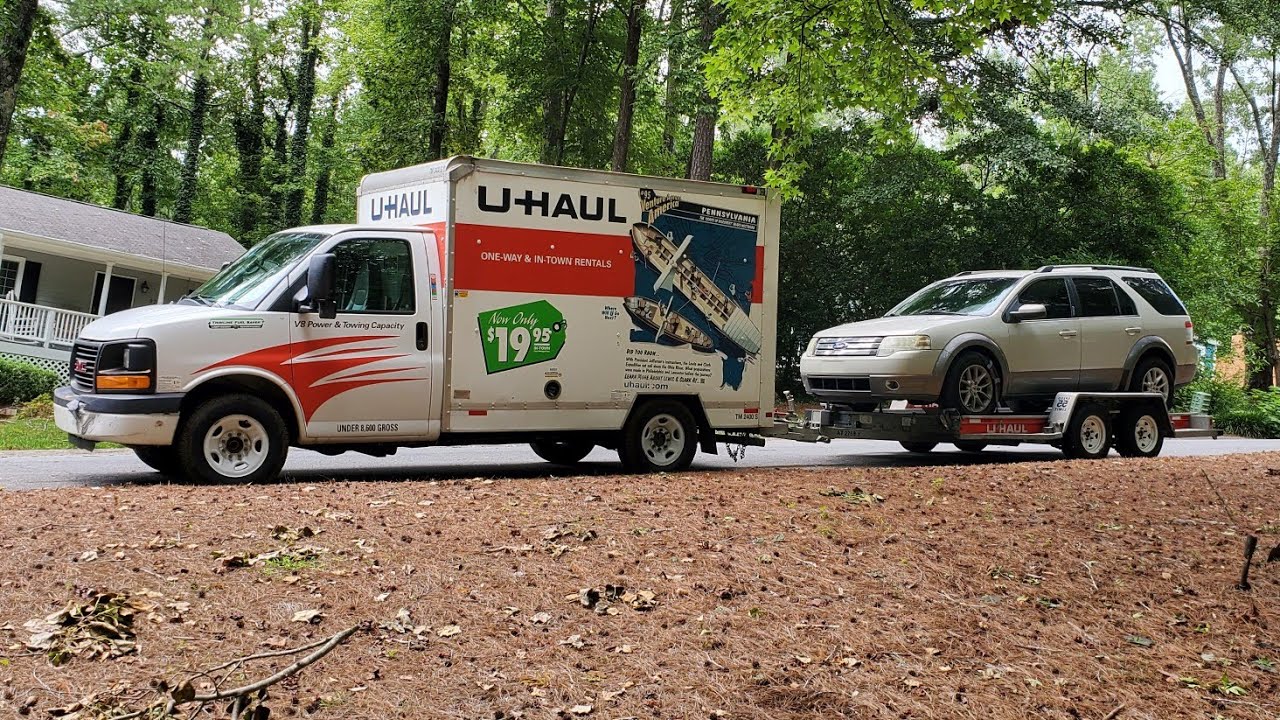
A U-Haul Car Trailer, specifically the Auto Transport, is a towable trailer designed to safely and securely transport a passenger vehicle. Unlike a tow dolly, which only lifts two wheels off the ground, the Auto Transport carries the entire car, eliminating mileage accumulation on the towed vehicle and reducing wear and tear.
Why choose a U-Haul Car Trailer?
- Affordability: Compared to professional auto transport services, renting a U-Haul Car Trailer is often significantly cheaper, especially for shorter distances.
- Convenience: U-Haul has a vast network of locations, making it easy to pick up and drop off the trailer at a location that suits your needs.
- Control: You maintain control over the transportation process, choosing your route, schedule, and rest stops.
- Safety: When used correctly, U-Haul Car Trailers are designed to safely transport vehicles, minimizing the risk of damage.
- No Mileage on Towed Vehicle: The entire vehicle is transported on the trailer, preventing additional wear and tear and mileage.
II. Types of U-Haul Car Trailers:
U-Haul primarily offers one type of car trailer: the Auto Transport. While they may have other specialized trailers, the Auto Transport is the standard for hauling passenger vehicles.
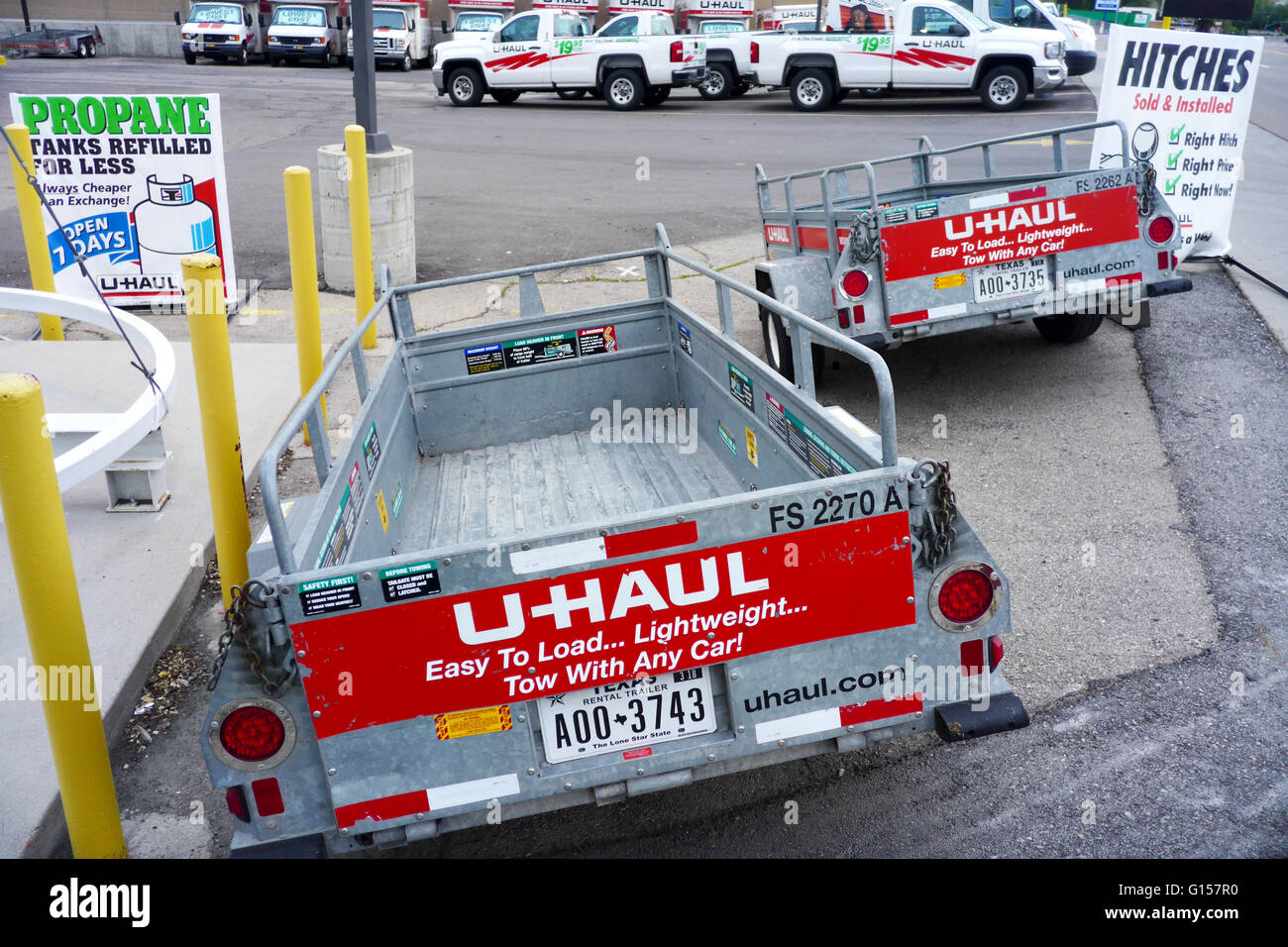
- Auto Transport: This trailer is designed to carry most cars, vans, and small pickup trucks. It features a ramp for easy loading, security chains to secure the vehicle, and surge brakes for added safety. The maximum weight capacity is 5,290 lbs, and it's important to check the specific vehicle's specifications to ensure compatibility.
III. Renting a U-Haul Car Trailer: A Step-by-Step Guide
Renting a U-Haul Car Trailer is a straightforward process. Here's a step-by-step guide:
- Check Compatibility: Before renting, verify that your towing vehicle and the vehicle being towed are compatible with the U-Haul Auto Transport. Use the U-Haul website or contact a U-Haul representative to confirm. This includes checking:

- Towing Capacity: Ensure your towing vehicle has a sufficient towing capacity to handle the weight of the trailer and the vehicle being towed.
- Hitch Class: Verify your towing vehicle has the correct hitch class for the Auto Transport. U-Haul requires a Class III hitch (or higher).
- Vehicle Dimensions and Weight: Confirm that the vehicle being towed falls within the Auto Transport's weight and size limitations.
- Make a Reservation: You can reserve a U-Haul Car Trailer online or by calling U-Haul customer service. Reserving in advance, especially during peak moving season, is highly recommended to guarantee availability.
- Provide Information: During the reservation process, you'll need to provide information about your towing vehicle (make, model, year), the vehicle being towed (make, model, year, weight), and your desired pickup and drop-off locations and dates.
- Review Rental Agreement: Carefully review the rental agreement before signing. Pay attention to the rental fees, insurance options, mileage policies (if applicable), and return conditions.
- Pickup the Trailer: On the day of pickup, bring your driver's license, the towing vehicle, and the vehicle being towed. U-Haul personnel will inspect your towing vehicle and ensure it's properly equipped for towing.
- Hook Up the Trailer: U-Haul personnel will assist with hooking up the trailer to your towing vehicle. They will also demonstrate how to properly secure the vehicle to the trailer.
- Inspect the Trailer: Before leaving the U-Haul location, thoroughly inspect the trailer for any damage or defects. Note any issues on the rental agreement to avoid being charged for pre-existing damage.
IV. Safety First: Loading, Securing, and Towing Your Vehicle
Safety is paramount when using a U-Haul Car Trailer. Follow these guidelines to ensure a safe and successful transport:
-
Loading the Vehicle:
- Position the Trailer: Park the trailer on a level surface.
- Lower the Ramps: Carefully lower the ramps on the Auto Transport.
- Drive Slowly and Carefully: Drive the vehicle slowly and carefully onto the trailer, ensuring it's centered.
- Position the Vehicle Correctly: Position the vehicle so that the front tires are resting against the stops on the trailer.
- Engage Parking Brake: Once the vehicle is properly positioned, engage the parking brake.
-
Securing the Vehicle:
- Use Security Chains: U-Haul provides security chains to secure the vehicle to the trailer.
- Attach Chains Properly: Attach the chains to the vehicle's frame or other designated securing points, avoiding suspension components.
- Tighten Chains Securely: Tighten the chains evenly to prevent the vehicle from shifting during transport.
- Double-Check Security: Double-check that all chains are securely attached and tightened.
-
Towing Safely:
- Drive Slowly and Carefully: Reduce your speed and drive cautiously, especially on curves and in windy conditions.
- Increase Following Distance: Increase your following distance to allow for longer braking distances.
- Check Mirrors Frequently: Check your mirrors frequently to monitor the trailer's position and the surrounding traffic.
- Avoid Sudden Movements: Avoid sudden braking, acceleration, or steering maneuvers.
- Plan Your Route: Plan your route in advance, avoiding roads with steep grades or sharp turns.
- Take Breaks: Take frequent breaks to rest and inspect the trailer and vehicle.
V. Important Considerations and Tips for a Smooth Experience
- Insurance: U-Haul offers various insurance options for their trailers. Consider purchasing insurance to protect yourself against potential damage or liability.
- Weight Limits: Strictly adhere to the weight limits of both the towing vehicle and the trailer. Overloading can damage the equipment and create a safety hazard.
- Tire Pressure: Check the tire pressure of both the towing vehicle and the trailer before each trip.
- Lights and Signals: Ensure that all lights and signals on both the towing vehicle and the trailer are working properly.
- Weather Conditions: Be aware of the weather conditions and adjust your driving accordingly. Avoid towing in severe weather.
- Practice: If you're not experienced with towing, practice in a safe, open area before embarking on your trip.
- Communicate: If you encounter any problems or have any questions, contact U-Haul customer service for assistance.
VI. Potential Challenges and Solutions
- Trailer Availability: During peak moving seasons, trailer availability can be limited. Reserve your trailer well in advance to avoid disappointment.
- Towing Vehicle Compatibility: Not all vehicles are suitable for towing. Consult the U-Haul website or a U-Haul representative to confirm compatibility.
- Loading and Securing Difficulties: If you're having trouble loading or securing the vehicle, ask for assistance from U-Haul personnel.
- Mechanical Issues: If you experience any mechanical issues with the trailer during your trip, contact U-Haul Roadside Assistance.
VII. Uhaul Car Trailer Price
| Feature | Description |
|---|---|
| Daily Rate | Varies by location and demand, typically between $59 and $129+ per day. |
| Mileage Fee | Usually no mileage fee for local moves. |
| Insurance | Optional SafeTow coverage. |
| Security Deposit | Often required and refundable upon the trailer's return in good condition. |
| Drop-off Location | Varies; can affect total cost if dropping off at a different location. |
| Reservation Fee | None, typically |
| Taxes and Fees | Applicable taxes and potential environmental fees. |
| Total Cost Example | Example: $79/day + $15 SafeTow + taxes = $100+ for a one-day local move. |
VIII. Frequently Asked Questions (FAQ)
- Q: What vehicles can I tow with a U-Haul Car Trailer?
- A: The U-Haul Auto Transport is designed to tow most cars, vans, and small pickup trucks. Consult the U-Haul website or a U-Haul representative to confirm compatibility.
- Q: What kind of hitch do I need?
- A: U-Haul requires a Class III hitch (or higher) for the Auto Transport.
- Q: Do I need to purchase insurance?
- A: Insurance is optional, but highly recommended to protect yourself against potential damage or liability.
- Q: How do I secure the vehicle to the trailer?
- A: U-Haul provides security chains to secure the vehicle. Attach the chains to the vehicle's frame or other designated securing points, avoiding suspension components. Tighten the chains evenly to prevent the vehicle from shifting during transport.
- Q: What if I have a flat tire on the trailer?
- A: Contact U-Haul Roadside Assistance for assistance.
- Q: Can I drop off the trailer at a different location?
- A: Yes, but it may incur an additional fee. Check with U-Haul for specific drop-off policies and fees.
- Q: What is the maximum speed I can drive while towing?
- A: U-Haul recommends a maximum speed of 55 mph while towing. Always adhere to posted speed limits.
IX. Conclusion
Renting a U-Haul Car Trailer is a convenient and affordable way to transport your vehicle. By understanding the different types of trailers, following the rental procedures, prioritizing safety, and considering the tips and potential challenges outlined in this guide, you can ensure a smooth and successful vehicle transport experience. Remember to always prioritize safety and consult with U-Haul personnel if you have any questions or concerns. With proper planning and execution, you can confidently tackle your vehicle transportation needs with a U-Haul Car Trailer.

